Yes, coconut oil is safe for cats, although it can cause some side effects when used incorrectly. It can be used as a top coat to protect your cat’s paws.
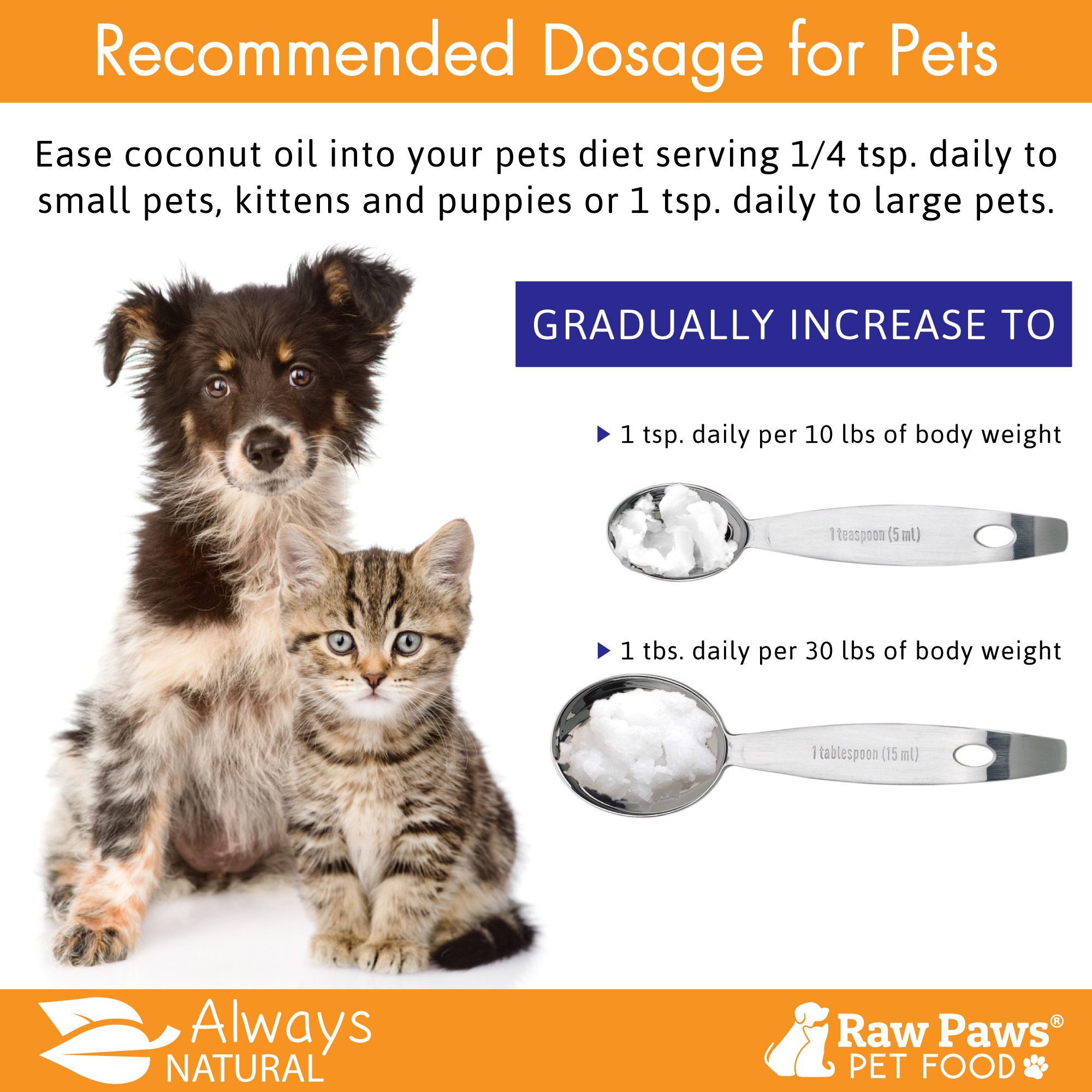
Raw Paws Pet Organic Coconut Oil for Dogs Cats, 16ounce
Coconut oil enables the cat’s digestive system to convert lauric acid to monolaurin, a supposed natural deworming agent.
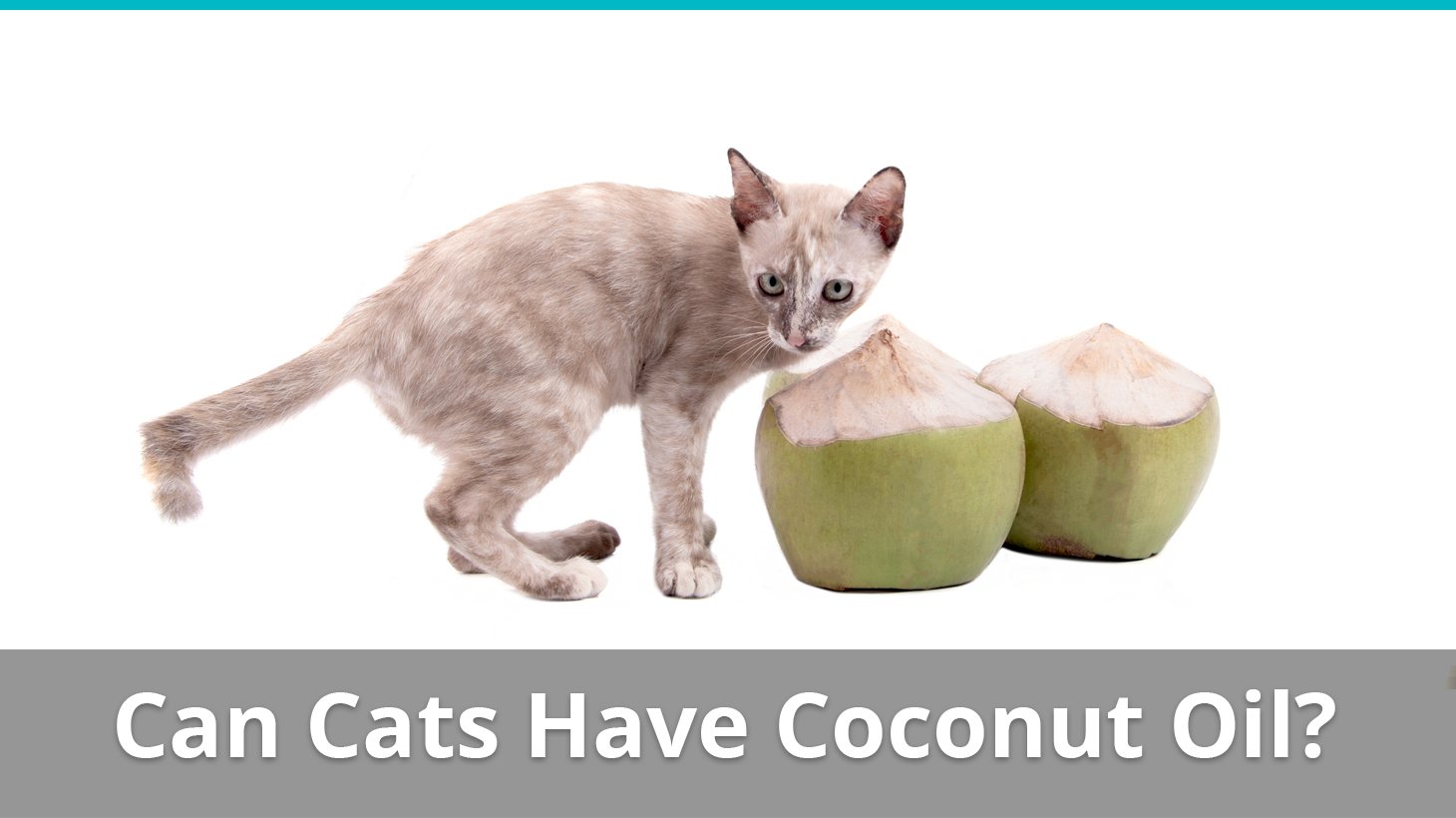
Coconut oil for cats. You can also apply it topically if your cats have any skin issues and use it for their gums. The ingested coconut oil should adhere to excess hair in their system, lubricate the hair and help the hair pass smoothly through your cat reducing the number of hairballs that get coughed up. Gastrointestinal issues, including vomiting or diarrhea, can be a problem if giving your cat too much coconut oil.
Excessive use has also been said to cause vomiting, diarrhea, and digestive issues in some cats. Coconut oil is like lotion for your cat. We recommend using coconut oil in small amounts and adding it gradually into your cat’s diet.
If their skin is dry, flaky, and itchy, try coconut oil. To administer coconut oil, simply mix it with cat food or you may serve it directly to your cat and she can simply lick it. It’s been used to treat cats suffering from uncomfortable skin conditions.
It moisturizes your cat’s skin. It also makes your cat’s coat soft, shiny and healthy. Spread on the fur, the healthy and delicious tropical oil acts as a protective coat against ticks, mites, and fleas.
Depending on your cat, increased fat in the diet may lead to weight gain or digestive issues. As a natural nutrient supplement coconut oil for cats fleas is ver useful, it helps keep your darling’s intestinal flora in harmonic balance and keeps intestinal parasites in check. Here are the benefits and uses of coconut oil for your cat’s skin:
When applied to your cat’s fur, coconut oil will also coat the tick or flea to restrict their movement and suffocate them. It is essential to start with small amounts of coconut oil for your cat and gradually work your way up. Coconut oil is a safe, natural and edible oil that can be very beneficial for your domestic pet, including cats and dogs.
Although coconut oil is not poisonous to cats, it may not be the ideal addition to every cat’s diet. Cats get it too, and it can cause bad breath, inflammation, pain, tooth loss, and infections. What are the benefits of coconut oil for your cat’s skin?
You may coat your finger with the oil so she can lick it off or let her lick it off a toy or treat. It soothes and reduces dry and itchy skin. Any change in diet, supplements, or medications can affect your cat’s health.
Coconut oil is high in both calories and fat, and when given in excess, it can quickly lead to your cat getting overweight. Giving your cat a small daily dose of coconut oil orally can help keep them fighting fit. There are multiple double edge swords to giving your cats coconut oil, whether orally or topically.
Some people rub a small amount on their fur/skin to treat skin issues, you can also put small amounts on his paw to lick off or add a small amount to his food for additional health benefits. Coconut oil is proven to work wonders on your cat’s skin. Coconut oil can be used to treat many cat ailments.
Yes, a bit of coconut oil added to the cat’s food or placed on their nose to remove by licking off can see your cat automatically lubricate their digestive system. Healthy skin leads to a healthier coat and the coconut oil works as a conditioner to keep. Coconut oil can help prevent hairballs.
In cases of dry, irritated skin or psoriasis, coconut oil can be very good for cats. Other vets recommend starting with as little as 1/8 of a teaspoon daily. Furthermore, coconut oil includes the lauric acid, which can break down the exoskeleton of a parasite, and result in its death.
For more details about flea removal, check out the video below. You can gently massage a teaspoon of oil into your cat’s fur and skin below. You can rub coconut oil on your cat's gums or give them bought or homemade coconut oil cat treats to eliminate the bacteria that cause gingivitis, reduce pain.
Some humans use oil extracted from coconuts in home remedies, and holistic veterinarians argue that coconut oil can also be healthy for cats. Because coconut oil improves the condition of your cat’s coat and skin, an added benefit of. Simply rub a small amount of the oil on the inflamed area and let the fatty acids and antioxidants within the oil work their magic.
Coconut oil has diverse effects in maintaining the excellent health status of the pet. Just like with human skin, coconut oil can also be effective on any bare or irritated patches of skin on your cat; Organic quality coconut oil is a real must have for cat owners.
Oral use may be an option if your vet approves. Gardner says that cat owners who want to use coconut oil to treat or prevent hairballs can give it. So, is coconut oil good for cats?
When taken orally, coconut oil reduces inflammation and hairballs, improves digestion and bone health, and may even give your cat’s immune system and metabolism a boost. It can also be fed to cats as a treatment for such varied ailments as hairballs, arthritis, stomach problems, and bad breath. This means the cat ingests the oil and potentially irritates the skin in that area.
Applied externally, coconut oil can treat skin conditions such as dermatitis. If your cat likes the taste and doesn’t have any adverse reactions to coconut oil, you can give very small amounts to them, not on a constant basis. Coconut oil is said to be able to cure some intestinal parasites, but the significant effect is the prevention of future parasitic infections.
The vitamin e and fats found in coconut oil are effective at soothing and moisturizing sore skin for both felines and humans alike. Some of the benefits of coconut oil for cats include the following: