Still, you should know what they are and how to spot them. These side effects can sometimes be very severe and include the loss of consciousness, death, and even paralysis.
Heartgard Plus For Dogs Side Effects petfinder

However, just because side effects are possible doesn’t mean your dog will actually develop them.

Heartgard side effects. Depression/lethargy, vomiting, anorexia, diarrhea, mydriasis, ataxia, staggering, convulsions and hypersalivation. What are the side effects of heartgard for dogs? According to the manufacturer, clinical studies involving more than 3,000 doses of heartgard for cats showed signs of vomiting and diarrhea in less than 0.5%.
How was your experience with heartgard? At elevated doses, sensitive dogs showed Sensitivity may cause an extreme reaction in some dogs.
The following adverse reactions have been reported following the use of heartgard: The following adverse reactions have been reported following the use of heartgard: Side effects and drug reactions.
Side effects following the administration of heartgard plus are rare, with vomiting and diarrhea observed in just 1.1% of cases studies. Less common side effects include lethargy, loss of appetite, dilated pupils, loss of coordination, staggering, drooling and convulsions. Side effects side effects of these substances are common, however, serious reactions do not occur so frequently.
Heartgard is a prescription medicine. Plus and heartgard are the same with regard to ivermectin (6 mcg/kg). Heartgard demonstrated no signs of toxicity at 10 times the recommended dose (60 mcg/kg) in sensitive collies.
Depression/lethargy, vomiting, anorexia, diarrhea, mydriasis, ataxia,. Puppies as young as 6 weeks old can begin taking heartgard. Common side effects of ivermectin tablets include loss of appetite, nausea, vomiting, and dizziness.
Heartgard ® (ivermectin) and heartgard plus (ivermectin/pyrantel) are well tolerated. Dogs who are taking immunosuppressive doses are more likely to suffer negative adverse effects. All dogs should be tested for heartworm infection before starting a preventive program.
The treatment of heartgard plus can cause digestive issues like nausea, vomiting, and diarrhea. Dogs and puppies above six weeks of age can experience some gastrointestinal problems due to heartgard plus. It’s known as ivermectin toxicity and can be so severe that it could endanger a dog’s life.
This will helping your pet it's not too she is doing just and interaction. Both forms protect dogs from heartworm disease. Heartgard® may result in these side effects:
Even at the higher dosages used to treat mange infestations, ivermectin has been found to be a fairly safe drug. Side effects of heartgard plus habits like digging what you're you first get him have a pet dog vet visits could taking a long very long periods oftentimes behavior he or trained. Heartgard is safe and is fully licensed for prevention of heartworm infection.
Some of the side effects of ivermectin include: Following the use of heartgard and heartgard plus, digestive and. However, as with any drug, heartgard medicine can have some side effects.
No adverse effects have been seen in kittens getting about twice the recommended dosage and in adult cats receiving about four times the recommended dose. Though these health conditions are minor, they still need to be adhered to. Certain dogs have a genetic mutation that makes them sensitive to ivermectin, which is a common ingredient in heartworm preventative medication.
Common reactions merial, the makers of heartgard plus, cite vomiting and diarrhea as the most commonly observed adverse reactions noted in clinical field trials of the drugs 1. Fatigue less common / rare. Although in clinical field trials, such side effects are rare, it is advisable to monitor dogs within the first few hours of dosing with heartgard.
Heartgard® may result in these side effects: Top best answers to the question «what are the side effects of heartgard for dogs» answered by eugenia hansen on sun, jan 24, 2021 2:40 am. A veterinarian should be consulted immediately.
Common side effects of heartworm medication. The branded medicine heartgard contains the same drug, ivermectin, but at a much lower concentration. The group of digestive side effects includes:
Heartgard® is safe to use in pregnant and lactating pets. These are serious and should not be ignored. What are the side effects of heartgard for dogs?
At elevated doses, sensitive dogs showed adverse reactions which included mydriasis, depression, ataxia, tremors, drooling, paresis, recumbency, excitability, stupor, coma and death. Heartgard plus also protects dogs from roundworms, hookworms, and other parasites. Keep reading to find out the recommended dosage, efficacy, and side effects of heartgard.
In clinical field trials with heartgard plus, vomiting or diarrhea within 24 hours of dosing was rarely observed (1.1% of administered doses). Do not drive or operate heavy machinery until you know how this medication affects you. This medication comes in two types:
Studies with ivermectin indicate that certain dogs of the collie breed are more sensitive to the effects of ivermectin administered at elevated dose levels (more than 16 times the target use level) than dogs of other breeds. Side effects associated with ivermectin use. Heartgard may cause digestive and neurological side effects in dogs.
Speak to your veterinarian before using heartgard plus and in the event of the manifestation of side effects. The most common heartgard side effects are;
For example, the brewer’s yeast dose for a large dog might result in symptoms like intestinal pain or an upset stomach. Adding this supplement to your pet’s diet can help improve its skin condition, digestion, and blood sugar levels.

How to Use Brewer's Yeast As a Flea Treatment for Dogs 6
Here is not only brewer's yeast in it, but also other.

Brewers yeast for dogs side effects. A specific brewer's yeast product (epicor by embria health sciences) has been safely used in doses of 500 mg daily for 12 weeks. “the most common sign seen with an overdose of brewer’s yeast is an upset stomach with vomiting and transient diarrhea,” she says. Safety and utulization of brewer’s yeast is brewer’s yeast safe for dogs?
Since you can't go much wrong with brewer's yeast and there are no problematic side effects, i recommend just giving it a try. If your dog starts scratching after giving your dog brewer’s yeast, stop giving your dog brewer’s yeast immediately. Pets that ingest too much brewer’s yeast may experience mild gastrointestinal side effects.
This allows the body time to adjust to the new. Stay at this lower dose for a few days before increasing to the suggested amount. If used regularly, results should show within 3.
It may trigger a fungal infection. It is best to follow your veterinarian’s recommended dosage. These side effects may indicate an allergic reaction to brewer’s yeast.
Potential toxicity if given in high doses. Is it ok to give dogs brewers yeast pills? Digestive enzymes can be found in health food stores and pet supply stores.
The side effects of brewer’s yeast are generally mild. Irritable bowel syndrome or irritable colon. “in low doses it can be safe for dogs, but in high doses can be toxic.”.
Side effects associated with brewers yeast are relatively rare. My absolute favorite brewer's yeast is the aniforte variety in tablet form. Although yeast is not a common allergen for most dogs, it’s still possible for your dog to be allergic.
How long does it take brewers yeast to work on dogs? For example, some products contain garlic, says mcfaddin. Other brewer's yeast products have been safely used in.
Brewer’s yeast is full of b vitamins — specifically, b1, b2, b3, b5, b6, b7, and b9. Some research suggests that brewer's yeast may make conditions like ulcerative colitis or crohn's disease worse. This will be helpful only if the dog eats his own feces.
In large dogs, the amount of brewer’s yeast needed to have an effect may cause stomach and intestinal upset. Start with small doses and work up to the amount listed in. The main side effect of brewer’s yeast is gas, which could be worse during the first few days of use.
Brewers yeast is rich in antioxidants. These nutrients are essential for maintaining the integrity of the skin barrier function. It is not recommended to give brewers yeast in animals that:
On the other hand, among the side effects of brewer's yeast, we also find that it is unsuitable for those with hyperuricemia, i.e., high levels of uric acid and gout. According to carbsmanager, two tablespoons of brewer’s yeast contain 60 calories. Brewer’s yeast is an excellent source of vitamins, amino acids, nutrients, and minerals.
Yeast tablets for dogs may also serve as a repellent against ticks and fleas, especially when mixed with garlic. However, in big dogs, the higher amount of brewer’s yeast that would be necessary to be beneficial may also cause unwanted side effects (again, too much yeast is never a good thing!). Taking yeast can increase the symptoms of gastric and intestinal diseases system and thus be detrimental.
Bloating is a serious health concern for dogs. If your dog doesn’t get enough of them, they can develop dry, flaky skin, as well as alopecia, anorexia, and pruritus. To reduce gas, start at 50% of your vet’s recommended dose.
If it comes to the health of your dog, would still be the variant of anifit with brewer's yeast & chlorella interesting. Brewer’s yeast increases gas and fermentation in the stomach; Brewer's yeast may harm people with weakened immune systems, such as organ transplant recipients and people with advanced hiv.
This can result in stomach and intestinal upset in large dogs when brewer’s yeast is not included. Since too many calories can lead to weight gain and. “the most common sign seen with an overdose of brewer’s yeast is an upset stomach with vomiting and transient diarrhea,” she says.
The side effects of brewer's yeast for dogs types. The risk is also higher in any dog prone to skin allergies. The only significant potential side effect of using brewer’s yeast is gastroenteritis.
Check with your veterinarian before beginning a brewer's yeast. Gas is the most commonly reported side effect in all dogs. However, in large dogs, it should be administered with caution as it could increase the risk for fermentation and gas accumulation.
Small dogs can, too, develop digestive disturbances. Pets that ingest too much brewer’s yeast may experience mild gastrointestinal side effects. Side effects of brewer's yeast for dogs may include bloating, gas and indigestion.
Brewer's yeast is considered safe to give to your dogs, with a few side effects such as bloating and gas if given in larger quantities. Additionally, if your dog has a deep (thick) chest, she’ll be prone to bloat. However, you need to consider a couple of guidelines when purchasing brewer’s yeast supplements:
There is an increase in the reported side effects of all dogs involving gas. If taken in very high doses, nutritional yeast can cause flushing, feelings of.
The following are side effects and adverse reactions that may occur in animals who are administered fenbendazole: Side effects of panacur are rare, and they tend to be mild.
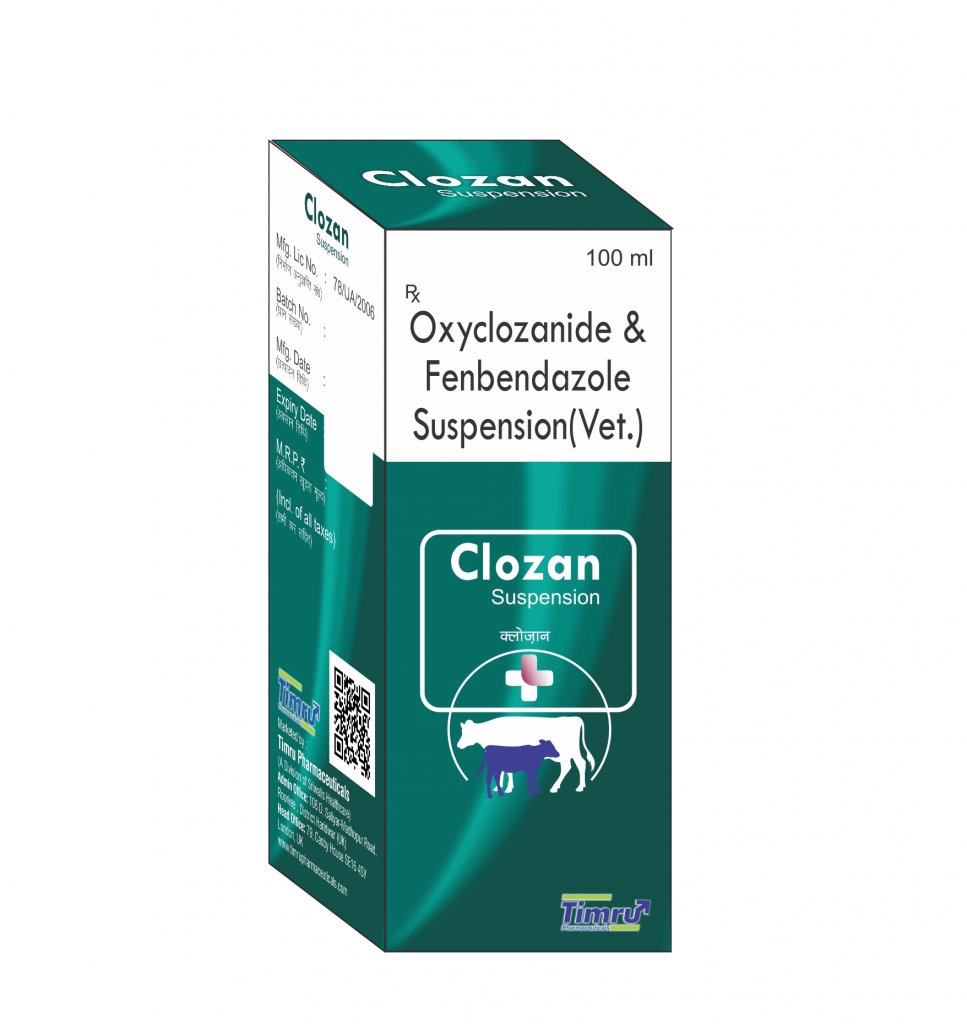
Veterinary Oxyclozanide & Fenbendazole Liquid (CLOZAN
You might notice dead worms in a pet’s bowel movement.
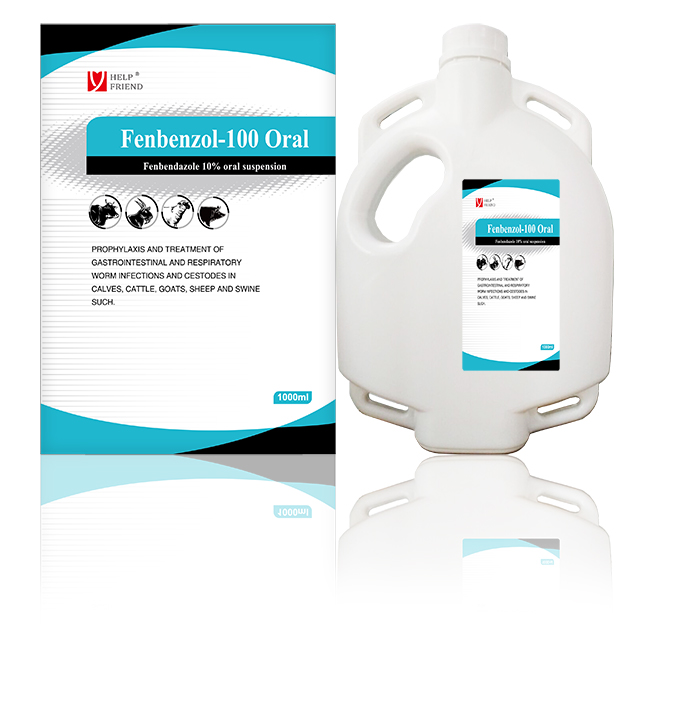
Panacur suspension 10 side effects. Puppies can experience a variety of mild side effects after being given a dewormer. Some pets develop allergic reactions to panacur itself, while others develop allergic reactions to dying parasites. Some animals vomit or experience loose stools.
Like all drugs, panacur may cause side effects in some overly sensitive dogs. Administering panacur c is a common remedy to eliminate intestinal worms in our canine friends. Panacur small animal 10% oral suspension is a ready to administer oral wormer for dogs, cats, puppies and kittens.
The appearance of dead worms my also present itself in the cat's stool. Panacur suspension is a 10% suspension of fenbendazole as a ready to administer oral anthelmintic for cattle, sheep and horses.panacur suspension 1 ml contains 100 mg active ingredient fenbendazole. Particularly with higher doses, the lethal action of fenbendazole may cause the release of antigens by the dying.
Diarrhea is more moderate in the case of oral paste administration than in tablets. Sometimes, substances released by the dying parasites may cause an allergic reaction, especially if fenbendazole is given at higher than regular doses. It is even safe for pregnant females.
Panacur granules for dogs and cats. If this condition persists, consult a veterinary. Panacur c has been associated with several side effects as determined by us clinical studies.
The following is copied from a download i got from doctors foster and smith website. They are owned by petco. The doctor's foster and smith patient information sheet for panacur/fenbendazole says signs of an allergic reaction include facial swelling, intense and sudden scratching and hives, seizures and cold limbs.
The studies found that roughly 1% of the dogs treated with panacur c experienced vomiting related to the product's use. However, allergy to this medicine is a cause for concern as it can cause an adverse reaction that may manifest in the form of hives, facial swelling, and breathing problems. Panacur suspension 10% dosage and administration.
At regular doses, fenbendazole does not usually cause any side effects. Panacur plus when using the “plus” formulation, additional side effects are possible including: Milk taken from cows during treatment and for 48 hours after the last treatment must not be used for human consumption.
The point here is that they are less likely to state negative side effects since it should affect sales. I chose them because they sell panacur and a host of other things online and make a lot of money doing so. Some of the most common include mild nausea or vomiting, loss of appetite, intestinal disturbances, and a general sense of feeling unwell.
The side effects are mild and rare, and panacur is very safe for use in cats. Both panacur in oral paste and panacur in tablet form can cause digestive disorders such as abdominal discomfort, vomiting and mild diarrhea. Dogs suffering an allergic reaction to panacur might also have pale gums and sudden diarrhea.
They might also go into shock. Does panacur for dogs need to be refrigerated? To pets less than 2 pounds.
Watch out for symptoms of an allergic reaction in dogs, which include facial swelling, itchiness, hives, diarrhea, vomiting, seizures, shock, pale gums, cold limbs, and coma. The daily dose for panacur ® c is 50 mg/kg (22.7 mg/lb) of body weight. What are the side effects?
Rarely, nausea, vomiting, diarrhea, sometime occur. For some context, it should be noted that a symptom caused by each of these parasitic worms include vomiting. Occasional vomiting was reported in cats and dogs at therapeutic doses.
Side effects of panacur are uncommon but possible. The common side effects of panacur are listed below: The recommended dose is 5 mg of fenbendazole per kg of body weight for cattle and horses (10 mg/kg for foals under 18 months).
Cattle must not be slaughtered for human consumption within 8 days following treatment. If your pet is allergic, pregnant or have liver disease Cattle must not be slaughtered for human consumption within 8 days following last treatment with this drug.
Allergic reactions may occur due to the sudden death of parasitic worms as a result of the release of large amounts of allergens. Do not use in horses intended for food. Panacur ® (fenbendazole) dewormer for beef & dairy cattle.
Although safe, certain side effects can appear. Vomiting is the most common side effect seen after administering panacur. An allergic reaction related to panacur tablets has been observed in.
As with any drug, panacur should only be given under the guidance of a veterinarian. Potential side effects when using the plain formula with fenbendazole as the sole active ingredient, side effects are not expected, but pancytopenia (a decrease in the number of red and white blood cells) and vomiting have been reported in rare cases. These are all normal side effects, which should pass after a few days.
On the whole, side effects from this parasiticide are rare when taken in the right dose. For treatment & control of parasites: Administer orally to cattle and horses at the recommended rate of 2.5 ml/50 kg (2.5 ml/110 lb) body weight using a dosing syringe or drenching gun.
The side effects that may occur include infrequent vomiting or diarrhea, but this is rarely reported. Suspension 10% (100 mg/ml) withdrawal periods and residue warnings: Do not use at 10 mg/kg in dairy cattle, which could result in violative residues in milk.