Once your puppies have known how to lick water in the bowl, they are now ready to have some molten food. Puppies are born with very little natural immunity, and they will not develop this fully until around 16 weeks of age.
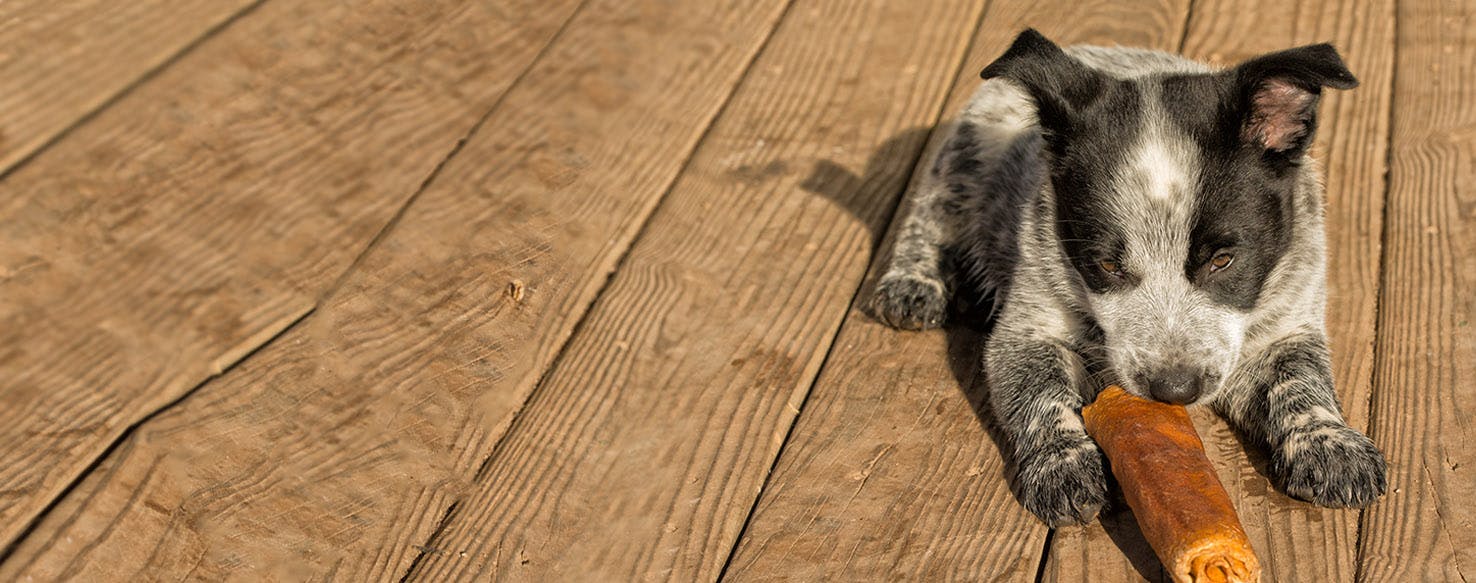
How to Train a Puppy to Eat Solid Food Wag!
Although young puppies do regularly consume their mother’s dog milk until they’re about 8 weeks old, milk from a cow is not a good idea for them.

When do puppies eat solid food. Puppy food when you begin feeding puppies solid foods in earnest, whether soft or hard, remember that the little ones have very specific nutritional requirements that are totally different than those of adult doggies. The puppy will be fully weaned when they can eat solid food on their own. I put baby food with puppy food ground up to get them started eating.
Puppies should get solid food starting at about four weeks, when they're not able to get all the calories they need from their mother's milk. If you're trying to determine when to start feeding puppies solid food, then it's best to begin when they are around four weeks of age. Growing pups should be fed puppy food, a diet specially formulated to meet the nutritional needs for normal development.
At what age should a puppy start eating solid dog food? A puppy should begin eating solid food about 3 1/2 to 4 1/2 weeks of age. When can puppies eat solid dry food?
This will take them through the final conversion to truly solid food. If you have a pup that the others push aside, feed him separate from the pack. Soon your puppies will be ready to begin weaning, which means moving them on to solid foods for the first time.
Right amount of food make sure that the dog food is given with just the right amount so as not to overfeed or underfeed them for their current life stage. Puppies should get solid food starting at about four weeks, when they're not able to get all the calories they need from their mother's milk. Most puppies are weaned by six weeks.
Therefore, they rely solely on their mother to help provide some initial immunity defence through her milk. Take a little water in the cup of your hand and let each pup drink from your hand. Formed brown feces are a sign that your puppy is digesting most of the nutrients in the food.
They should be playful and energetic, with a shiny, thick coat. At this stage don't worry about overfeeding. Boil the water and cool it.
Once the pups are eating cereal mix that is roughly the consistency of pudding, it's time to begin mixing in puppy kibble. The puppies' mother will naturally start the weaning process when the dog's teeth starts to come in. A dog will need different nutrients throughout their lives.
A puppy should start going towards solid food when they are about 3 to 4 weeks old and can be continued until they are 7 to 8 weeks old. When you are teaching your puppy to eat with liquid food, you can mix dry dog food or wet dog food with puppy milk replacement at four weeks of age. Some pups are bullies and some pups are not.
Initially, make gruel by mixing a milk replacer in puppy food soaked in water and place this mixture in a flat saucer. It’s best to start feeding puppies solid food about four weeks after they’re born, when they’re not able to consume all the calories from their mother’s milk. Take several days to thicken the 'soup,' since puppies that readily take to solids may overload their guts and develop constipation or diarrhea as a consequence.
After a month or six weeks on the food, assess your puppy’s health. Puppies should get solid food starting at about four weeks , when they're not able to get all the calories they need from their mother's milk. Once puppies are near the end of weaning, they should be fully ready to eat foods that aren't soft.
When do chihauhau puppies eat solid food? Feeding adult food will rob your puppy of important nutrients. When should a puppy start eating solid food?
At what age can puppies drink regular milk? When should a puppy start eating solid food? However, you have to make sure they're still drinking their mother's milk and you're mixing their dog food with doggy formula so they get the nutrients they need.
A puppy should begin eating solid food about 3 1/2 to 4 1/2 weeks of age. To make gruel, mix a milk replacer with puppy food soaked in water and place it in a flat saucer. Most puppies are weaned by six weeks.
As the pups eat more solid food, they will drink less of their mother's milk. After a puppy is weaned and begins to eat solid food, proceed with caution when giving your puppy milk. Most puppies are weaned by six weeks.
Puppies should get solid food starting at about four weeks, when they're not able to get all the calories they need from their mother's milk. Around 4 weeks after they begin weaning. This means that your puppy will be eating wet or dry food on his own by around 9 to 10 weeks old.
A puppy is typically weaned by six weeks of age. When do puppies start eating puppy food? At around 5 weeks, your puppy is ready to start eating food.
Most puppies are weaned by six weeks. This will occur when they are around 8 weeks of age , i.e. Furthermore, they may need more time to get used to the strange taste of water and food.
To make gruel, mix a milk replacer with puppy food soaked in water and place it in a flat saucer. A puppy should start going towards solid food when they are about 3 to 4 weeks old and can be continued until they are 7 to 8 weeks old. During the first four weeks of life, all puppies should be able to walk, run, and play.
When should a puppy start eating solid food? Chihauhau puppies should eat a little at 3 or 4 weeks old. When should a puppy start eating solid food?
When should a puppy start eating solid food? Puppies should be eating food labeled for growth or for all life stages. Puppies should begin eating solid food about 3 1/2 to 4 1/2 weeks of age.
During the first four weeks of life, all puppies should be able to walk, run, and play. Orphaned dogs and others that may have some behavioral issues may take a longer time to wean so be wary of this.
Aside from that, this drug also works for ear mites, lice, and mange. 🐶 how long does dog dewormer take to work?

How Long Will My Puppy Poop Worm After Deworming? 2018 Edition
How long does dewormer take to work in puppies?
How long does it take for dewormer to work in puppies. Most deworming treatments work in two to six hours after administration. This medication should take effect within 1 to 2 days, but visible effects will take the entire duration of treatment to be recognized. It doesn't take long for puppy wormer to start killing internal parasites — generally within 12 hours — but that's just part of the story.
Pyrantel pamoate is otherwise a very safe dewormer for dogs ( 18, 19, 20 ). In this way, how long does dewormer take to work? My pup is 13 weeks old.
With a bit of luck, the dewormer would completely expel every remnant of the parasites after a week or two. How long does it take dog dewormer to work? Just so, how long does it take for panacur to work on giardia?
It may take up to 4 days to work depending on the product, dosage, severity of parasitic infection, types of parasites, and the condition of the dog. 🐶 how long does it take dog dewormer to work? Will my dog or puppy pass worms after deworming?
My pup is 13 weeks old. Most dogs may feel better after taking worming tablets the next day or at least. At this point in time, the roundworms should begin to pass through their system.
Furthermore, how do i know if dewormer is working on puppy? However, some treatments will also require a second dosage to eradicate the second wave of parasites. Just so, how long does it take for a dewormer to work?
How long after deworming a puppy are the worms gone? They soon hatch, so it's crucial to deworm puppies roughly every two weeks to control parasites. Puppies should be given two doses of worming treatment, two weeks apart to kill eggs and adult worms in all stages.
Most medications don't take long to start working. A dewormer will start to work between two and six hours after administration. This is why you will notice that your puppy poops worms after deworming.
This dewormer covers a wide range of worms for small to large animals. Safeguard ® or panacur ® (fenbendazole) are 96% effective, safe and can be used in dogs or cats. How long does dog dewormer take?
Paralyzed worms pass through the intestinal tract and are passed out in your puppy’s poop. That's why a second deworming is needed two weeks later, to kill off the worms that have since hatched, according to webmd. It typically takes anywhere from 24 to 48 hours for a dog dewormer to be effective after it has been administered.
Puppy wormer schedule that first dose will kill the worms living within the intestine within 12 hours, but it won't kill the eggs the worms leave behind. Upon giving ivermectin to your dog, the drug will interrupt the nervous system of the heartworm larva. They soon hatch, so it's crucial to deworm puppies roughly every two weeks to control parasites.
However, some treatments will also require a second dosage to eradicate the second wave of parasites. Treatment is done for five days to rid the gut of the organism and often repeated in the house pet one week later to ensure removal. How long do dog worming tablets take to work?
Deworming your dog is vital for their health and survival. How long do dog worming tablets take to work? Puppies can be dewormed as early as 2 weeks of age under the direction of.
Approximate estimates along with expert recommendations. It typically takes anywhere from 24 to 48 hours for a dog dewormer to be effective after it has been administered. The deworming process starts immediately and within 2 to 6 hours after administering, your.
However, in most cases, the process starts about 12 hours after administering the dewormer. However, it only works for the parasites your dog has been exposed to in the preceding month. Some dewormers will dissolve the worms while others will paralyze them.
How long does it take for a dewormer to work in puppies? You may continue to see worms in your pup's poop for about a week. How long does it take panacur wormer to work?
Deworming medications work in different ways, depending on the type you purchase. Providing your dog has digested the intestinal worms treatment, then you should start to see rapid results. Some medications will dissolve the worms while some will paralyze them.
How long does it take dewormer to work? The wormer only kills the adult worm, leaving the eggs behind. Top best answers to the question «how long does it take for dog dewormer to work» answered by concepcion metz on fri, apr 9, 2021 4:05 pm.
It can take as little as two hours for the worms to start dying off. Will my dog or puppy pass worms after deworming? How long do you have to wait for dog worming treatments work?
If little white worms begin appearing in their stool one week after the dog dewormer has been administered, then it is an indication of the presence of fleas, as the little white. Answered by dayton strosin on wed, dec 9, 2020 9:49 pm.
A puppy can receive fluids via a vein under their skin, through their abdomen, or directly from their vein. A loss of appetite is one of the signs of dehydration.

Dehydration in Dogs The Signs, Symptoms and Smart (and
Signs of puppy dehydration the earliest noticeable sign of dehydration is dry mucous membranes in which the dog’s gums and tongue are sticky or dry instead of wet.

Signs of dehydration in newborn puppies. They will vocalize if separated from their group. Loss of skin elasticity is the easiest signs to test for dehydration. What happens when a dog becomes dehydrated?
It’s difficult to determine the exact cause of crying, whining or low energy, so count diapers and explore your baby’s eyes, mouth and soft. Physical signs of dehydration are evident in the mouth and eyes. Dehydration is characterized by sunken eyes and dark yellow urine.
If it's visibly yellow therefore there are chances that the pup is dehydrated and requires fluid therapy. Respiratory distress may be caused by inadequate surfactant production (pre mature neonates or elective cesarean sections), con Another issue with green diarrhea is that it could indicate fading puppy syndrome.
Dehydrated puppies may also have a delay in capillary fill time, meaning that if you press your index finger into the gumline of your puppy, it takes a few moments for the blood to refill the area. Neonates are highly susceptible to. If we see this, we pick up the pup and put it back in front with the others without checking for any signs of dehydration.
Clinical signs of hypoxia include cyanosis, dyspnea, abnormal thoracic auscultation, tachypnea, and orthopnea (lee, 2004). How to hydrate a non nursing newborn puppy? Low output is a red flag for dehydration.
A dehydrated newborn puppy will have a dry mouth and sticky saliva. The 3 most common issues with newborn puppies are: If your newborn puppy is dehydrated, use a small bottle or eyedropper to offer fluids every two hours.
Diarrhea is a severe problem because newborn puppies are small and prone to dehydration. • normally present shortly after birth in healthy neonates are the righting, rooting and suckling reflexes. Look for a dry, sticky mouth as signs of water loss.
Their skin may also lose elasticity. When a puppy is dehydrated, the opposite happens. To test for it, dr.
Frequent twitches indicating activated sleep patterns are normal. Dark and discolored urine are obvious signs but you must wait and watch the. You can tell the presence of constipated by noting a change in the amount of diarrhea.
Newborn puppies need to be kept warm, especially if the mama isn’t present to keep them warm with her body heat. What are the signs of newborn puppy constipation? Your puppy may be dehydrated if it is lethargic, has dry or sunken eyes or a dry mouth and nose.
Urine that appears darker yellow and more concentrated; The saliva may become sticky or even stringy. Panting and sunken eyes are also common signals.
It is a lactated ringer’s solution, 0, hetsiated ringer’s solution, 0. The earliest noticeable sign of dehydration is dry mucous membranes in which the dog's gums and tongue are sticky or dry instead of wet. Fewer than six wet diapers in 24 hours or diapers that stay dry for two or three hours, which might be a sign that urinary output is unusually scant;
Pediatric patients have a higher fluid requirement compared with adults and can rapidly progress from mild dehydration to hypovolemia. Klein suggests that you gently hold some of the dog’s skin. In hydrated puppies, the skin quickly springs back into its original shape when pinched.
Young puppies and kittens have unique physiologic needs in regards to fluid therapy, which must address hydration, vascular fluid volume, electrolyte disturbances, or hypoglycemia. You may also notice that a dehydrated baby is fussier than usual. Every litter is unique in some ways, and it takes many years to gain the experience to recognize signs of potential problems and know.
Call the doctor if you notice any of the following signs of dehydration in your baby: If a newborn puppy not pooping, the stool becomes smaller and more intricate. A heating pad on the lowest setting and placed under several towels works nicely.
Normal urine color in hydrated puppies is colorless. If your baby seems to be in pain or shows signs of dehydration (decreased urination, infections are also commonly associated with disease in newborn puppies, clear your baby’s nose with a nasal aspirator, trouble eating, snoring or noisy breathing while asleep, babies tend to let things “perkolate”, try a baby ear syringe, keep your baby upright, staying hydrated keeps mucus thin,. A normal neonate will squirm and vocalize when examined, and nurse and sleep quietly when returned to the dam.
It is a possible sign of constipation. Dehydration, weakness, and loss of appetite could also be signs. The pup is wriggling, looks fine, but could very well be in the first stages of dehydration or what for lack of a better term, we call fading puppy. newborns can go downhill so quickly in the first few days.
The saliva may become sticky or even stringy. Let’s take a closer look at these two dangers. Ficult even in face of significant dehydration.
A better way to assess hydration levels in a neonatal puppy is to look at the color of urine. With newborn puppies, sunken eyes can be difficult to determine, as they will. Dry mucus membranes (you might notice cracked lips)
Hypoxia is a serious complication for neonates. Breeding dogs and producing puppies is a rewarding experience. Healthy neonates will attempt to right themselves and orient by rooting toward their dam.
Severely dehydrated dogs need immediate emergency veterinary care.
A puppy can develop the infection if he is unable to urinate for long periods of time and the urine sits in his bladder breeding bacteria. In some more rare cases, kidney stones/bladder stones, bladder disease, kidney disease, cancer, diabetes, bladder infection or bladder inflammation can also cause a uti in dogs.

Urinary Tract Infections Utis In Canines And Puppies Aspca
A puppy urinary tract infection can be cleared.
What causes uti in puppies. Because a puppy's immune system is still developing, this makes the likelihood of bacteria causing an infection higher than in an adult dog. Bacterial isolates in canine urinary tract infection:. Urinary tract infections (utis) in dogs are usually caused by bacteria in the urine.
The most common cause of utis in dogs is bacteria, which enters upwards through the urethral opening. As a result, it is the best treatment for urinary tract infections in dogs. Top best answers to the question «what causes a uti in puppies».
Dogs, like people, can get urinary tract infections (uti) caused by bacteria in the bladder or other areas of the urinary tract. Oct 09, 2017 · causes of uti in puppies. A puppy—especially a female puppy—has a very short urethra.
A puppy urinary tract infection can be cleared up easily if. A uti happens when bacteria enter the urethra and results in an infection that can affect the urinary tract, bladder, and kidneys. Diseases such as kidney and bladder stones, as well as abnormal external anatomy (hooded vulva, prior urinary tract surgery), make utis harder to treat.
Treatment of intact male dogs requires antimicrobials that penetrate the prostate gland, e.g.,. Bacteria is the common cause of urinary tract infection, commonly called a uti. However, dogs of any age can be affected.
Typically, problems start when the bacteria move up through the genitals and spread into the bladder, kidneys, and prostate. The bladder and urethra then become infected and inflamed, resulting in the urinary tract infection. There are lower and upper utis, but lower utis are more common.
There are many causes of lower urinary tract problems, like: Bacteria irritate the urinary tract causing inflammation (swelling). 1) bacterial relapses or reinfections:
A uti can result if normal skin and gastrointestinal (gi) tract flora gets into the urethra, which is the tube that removes urine from the body. Sometimes puppies get distracted and. A uti can result if normal skin and gastrointestinal (gi) tract flora gets into the urethra, which is the tube that removes urine from the body.
Because the only symptom is a burning sensation in the urinary tract, bladder infections often go unnoticed and can lead to more serious problems. All cool recipes and cooking guide for causes of uti in puppies are provided here for you to discover and enjoy Aug 12, 2019 · bacteria is the common cause of urinary tract infection, commonly called a uti.
There are many factors that can cause recurrent utis in female puppies including an innie vulva, a birth defect, and a tumor. The most common cause of a uti in a puppy is the migration of bacteria from the puppy's feces into the urethra. Can dog food cause uti?
Unless these underlying problems are treated, your puppy will continue being affected by utis. It’s not always possible to determine the cause of a uti in dogs, but it can be influenced by factors including: Coli is the most common bacterial cause of utis, but several bacteria and even some fungi can cause infections.
In most cases, utis are caused by bacteria, most commonly escherichia coli. Upper utis affect the kidneys and/or ureters (the tubes that drain urine from the kidneys to the bladder). As a demulcent, it helps to relieve irritated and inflamed tissue while also protecting it from further irritation and inflammation.
Causes of uti in puppies. Marshmallow is one of the most versatile herbs for dogs, and it may be used in various ways. What causes lower urinary tract problems in dogs?
This is particularly the case with dry dog food since it is dry and has less water content. Almost all dog urinary tract infections are caused by bacteria, which are normally present on the skin or in a dog's poop. Utis are most commonly the result of a bacterial infection.
Abnormalities in the structure of the urinary tract The most common cause of utis in dogs is bacteria, which enters upwards through the urethral opening. Answered by ferne huels on sat, may 15, 2021 10:33 am.
This means that bacteria are seen in the new urine culture despite the treatment with antibiotics. Utis are most commonly the result of a bacterial infection. What are the causes of urinary tract infections in dogs?
A bladder infection in dogs is more common among females, but any dog can develop a bladder infection. The bladder and urethra then become infected and inflamed, resulting in the urinary tract infection. The bacteria can develop when feces or debris enter the area, or if your dog’s immune system.
Causes of utis in dogs. Your veterinarian needs to use a specific antibiotic for the specific type of bacteria that is causing your puppy's uti. Urinary tract infection (uti) in dogs.
Unfortunately, commercially available dog foods can exacerbate or cause urinary tract problems because of high mineral content. The bacteria can develop when feces or debris enter the area, or if your dog's immune system is weakened from lack of nutrients. In fact, a 1989 study of uti risk factors found that corticosteroids (such as prednisone) and antibiotics are two of the most common reasons dogs suffered from utis.
These bacterial infections are more common in female dogs than males, but they can happen in both genders. Lower utis affect the bladder and/or, in male dogs, the prostate. A puppy can develop the infection if he is unable to urinate for long periods of time and the urine sits in his bladder breeding bacteria.
Some factors could increase your dog’s risk of getting a uti. Utis affect female dogs more often than male dogs.
Puppies need socialization, particularly once they’ve been weaned, which usually starts at three weeks and is over by eight. Dog are going to pick up mulch plants weeds etc.

How To Socialise A Dog With Other Dogs The Best Dog Website
At the age of 7 to 8 weeks, about a week after the first set of vaccines, enroll your puppy in a carefully supervised puppy kindergarten class.

When can puppies be around other dogs. If you are set on socializing your puppy before they have received all 3 series of vaccines, you can contact local puppy training facilities to see if they offer any classes for puppies currently undergoing their vaccine process. Your puppy can meet and play with other puppies the same age, as long as those other puppies are kept up to date on their vaccinations and haven’t had contact with unvaccinated dogs. Socialization is when your puppy learns how to interact with other creatures in his environment and determines whether the world is a safe and happy place or not.
Puppies can be around other dogs once they’ve received their vaccinations. In order to have a normal, outgoing dog, let him play with the other dogs. Q when can puppies meet other dogs?
So, when is it safe for a puppy to go out and interact with other dogs? You can bring your puppy around other dogs outside if those dogs have been vaccinated as well. The risk of your puppy being infected with a nasty disease by a dog that is fully vaccinated is very low.
This can take up to four months, leaving owners at 16 weeks before socializing the puppy with other dogs. Once he’s at ease, attach a leash and walk him around inside where he’s less likely to encounter a distraction. The leash is his safety device.
It is crucial for your pup to socialize with different dogs so they learn how to get along with others. Introducing your puppy to other dogs before 16 weeks of age. Puppies can be around other dogs once they've received their vaccinations.
They'll be ready to visit a public dog park and go for walks. The first three months of a puppy's life are the prime time for proper. I understand not wanting it to eat other dog poop etc.
The specific vaccination required may very year upon year due to manufacturer’s recommendations, practice policy or as new scientific studies emerge. During these months, the desire to be social outweighs their fear. Unvaccinated puppies are vulnerable to dangerous illnesses like parvovirus, leptospirosis and distemper, which they can get from both contact with other dogs and from feces left on the ground by other dogs.
Socialization helps your puppy be comfortable in new environments and keeps them confident in new situations. Can puppies be around other dogs without their shots. The answer is that the best time is right around 16 weeks or older.
If you're wondering when can puppies go outside away from home, the american veterinary society of animal behavior (avsab) recommends that pet guardians begin taking puppies on walks and public outings as early as one week after their first round of vaccinations, at about seven weeks old. When your pooch meets new dogs, you need to watch their reaction and make sure that any. The rule of thumb is that a puppy should have had at least 2 (and preferably 3) rounds of recommended vaccinations before venturing out.
With pups as young as yours, make sure to take extra care during the fear period (usually around 7 or 8 weeks!). The other is from the risk puppies run of being frightened or hurt by other dogs. Once your pup is fully vaccinated and protected, they can start playing with other dogs.
You can put a collar on a puppy when he’s about a month old to get him comfortable with it. The first three months of your puppy’s life is important for their development. Jonone should carry there dog around all the tim until 12 weeks.
Can my 8 week old puppy be around other dogs? Dogs who do not socialize as puppies sometimes have a tough time “speaking dog” due to. When the moment of birth is approaching (usually 10 to 15 days before), the female will search out a quiet, comfortable and safe space.
It's also important that their early experiences with other dogs is positive. Such a short pregnancy means the pups aren't completely developed by the time they are born, and newborn puppies are helpless and dependent on their mother for everything. Never put your puppy on the ground lol.
Keep your puppy on a leash around other dogs. They can meet in your home or the other dog’s home. Just make sure they have been vaccinated.
At 8 weeks your breeder should’ve given worm shot and first vaccination already. With a gestation period of only two months, the in utero development of puppies is more like a sprint as opposed to a marathon. Play it safe, and keep your puppy on a leash when it is around new dogs, indoors and outdoors.
Bordatella is optional but it's wise to opt for it so you can to take your puppy around other dogs with more confidence that he'll be protected against kennel cough. There are two issues around letting your puppy meet other dogs. But it’s also important to keep your puppy safe.
This is why it is best to separate male dogs from pregnant females during the last 3 or 4 weeks of gestation. One is from an infection risk point of view. So your dog needs to go out and be with other dogs, but it is not safe to do so yet because your puppy hasn’t been.
Keep your puppy on a leash when he meets other dogs, even indoors. If other dogs have access to your driveway, make sure you hold your puppy in your arms while you do this and if this area is not fenced off your pup should be securely on a lead. This will help to avoid negative stress factors in the female.
We have a puppy just under 3 months old, and he still has to get his last round of shots. It is crucial for your pup to socialize with different dogs so they learn how to