If your dog’s yeast skin infection is in a small area, you can apply a medical cream directly to the fungal infection. How do you treat yeast infection in dogs?

Yeast Infection on Dog Paws Are There Any Home Remedies
The exact type will depend on the location of the yeast infection.

Yeast infection on dogs paws treatment. How to care for a dog with a yeast infection. Hi cheri i have the same problem with my dog he licks his paws till they are raw i took him to the vet he was prescribed apequal and this shampoo malaseb it helps i put the shampoo on his paws and work it in between the pads leave it on for 5 minutes and rinse well i do this every other day for a week and bathe his body with the shampoo once a week once the. Keep in mind your dog will smell like vinegar after this treatment.
There are no studies to confirm that topical use of any of the following are useful in treating yeast infections in dogs: The combo is the perfect dog skin yeast infection treatment. Vinegar rinses do have scientific data to support that they may be beneficial in treating yeast.
Certain dog breeds that naturally have floppy ears will be at greater risk, too. Treating your dog’s yeast skin infection wash your dog with medicated shampoo. It’s best to work with your veterinarian to determine a treatment plan for your dog’s infection.
Vets usually recommend using a product that contains chlorhexidine (a disinfectant that kills germs) once or twice a week. Antifungal medication can be used in more severe cases, so if your dog has had a yeast infection in its paws for a while or it seems to be getting worse, contacting the vet could be wise. For skin infections, medicated shampoos or washes are used.
If your dog is diagnosed with a yeast infection then your vet will usually prescribe you some medication. There is an abundance of ways to treat your dog’s paws and get them back to normal, including antifungal wipes, creams, sprays, and shampoos. Treating yeast infection in dogs requires changing the diet, repairing the immune system, and treating the skin locally with antifungal products.
Yeast overgrowth can happen around paws or between your dog’s toes. A quick google search will turn up anything and everything as an option to treat your dogs’ yeast infection at home. We understand that the health of your dog is of the utmost concern.
Your vet may prescribe oral antifungal medications to treat yeast infections, especially if they are more severe. There are two kinds of treatments for a dog yeast infection: Medicine that you can use for this type of treatment includes fluconazole, ketoconazole tablets or you can get dog yeast infection solution to help with the treatment.
Therefore, it is best to wash your dog’s paws when he returns from a long walk, especially when your dog is jumping and running in dirty places. In order to fully cure a yeast infection in the dog’s paws, you should make sure you complete the entire treatment regime to prevent the infection from coming back. Yeast infection is a common concern for dog owners.
Massage an antifungal dog shampoo into the skin for 10 minutes before rinsing well. Still, there are other remedies for owners dealing with yeast issues in dogs. Many dogs with yeast dermatitis will also have a concurrent bacterial infection, so oral antibiotics may be prescribed for several weeks to help clear up the bacterial infection.
Dogs are an important part of our families. If the yeast infection is mild or limited to one or two small areas, topical treatment may be enough. Dog paws come into contact with dirt and filth on a daily basis, and there is no doubt that there can be a lot of yeast in them.
For ear infections, topical ear drops and ear cleaners could be advised. Your vet may prescribe paw soaks to help clean the area and treat yeast infection. For uncomplicated yeast dermatitis, the prognosis is generally good and your dog will start feeling less itchy within a week of starting treatment.
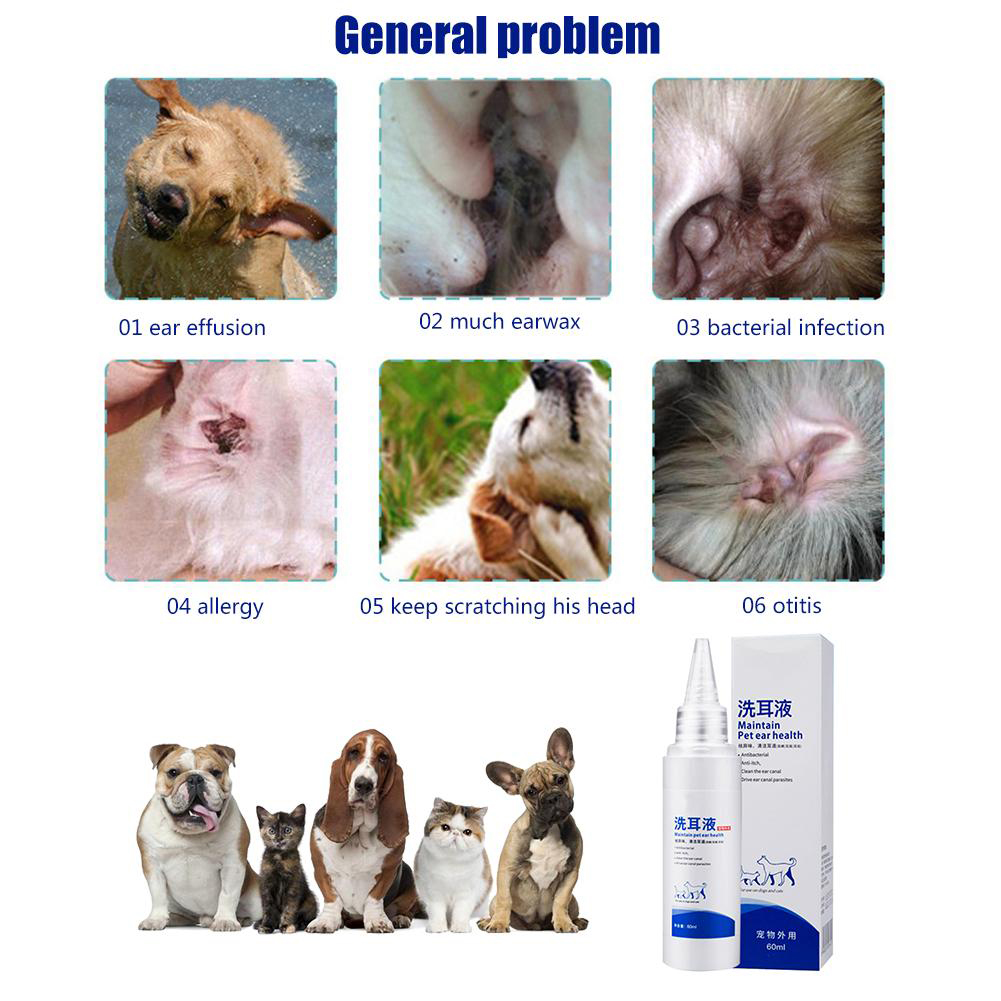
Dogs with floppy ears, allergies, and ear deformities are going to be at a higher risk of developing an ear yeast infection. You can find more specific treatments for yeast infections in dogs here. This fungal skin disease manifests through more frequent scratching, red patches on the skin, hair loss where the skin is affected, and a different body odor.
They’ll prescribe antifungal shampoos, sprays, wipes, and lotions or systemic treatments. Dogs that like to play in water are also more likely to get a yeast overgrowth and have an infection. One of the best things you can do to wipe out a yeast infection on your dog’s paw is to create a foot soak.
Sometimes, wiping down your dog’s paws or spraying them with an antifungal solution just isn’t enough. Antifungal pills and topical products like shampoos and ointments. Shampoo treatment is often all that is needed to get a yeast infection under control.
This supplement contains polysaccharides found in the cell walls of yeast, mushrooms, and cereal grains. 🐶 how to treat dog yeast infection on paws? Essential oils (these may be toxic to dogs) vinegar rinses.
They are thought to stimulate the immune system and may be helpful in fighting infection and inflammation. Dog itchy and smelly skin, or an increase in your dog licking paws and groin, is due. There’s also paw soaks available over the counter.
As mentioned, coconut oil, apple cider vinegar, and oregano oil are the most popular home remedies for yeast issues in dogs. Things like yogurt, probiotics for dogs , or herbs are among the most common, and some people might see some temporary relief from these remedies, but in order to kill a fungus, which is the family that yeast belongs to, an antifungal is key. What home remedies treat yeast infections in dog paws?
This infection can affect the skin on different parts of the body, the paws, and the ears. We don’t recommend using epsom salt baths to treat your dog’s yeasty paws.
Outer ear infections are called otitis externa. Most cases of yeast skin or ear infection are triggered by an underlying disease affecting the skin, such as allergies or endocrine disease (hypothyroidism, cushing’s disease, etc.).
Cat Ear Yeast Infection Pictures
This fungal yeast infection can occur in any breed.

Yeast infection in a kittens ear. What are the symptoms of an ear infection? If your cat is showing signs of discomfort with their ears then get them checked out by a vet, so that they can receive appropriate treatment. If this yeast grows out of control — generally in felines with compromised immune systems — the result is candidiasis.
But unlike their canine counterparts, cats, by nature, tend to be very stoic creatures. Causes of yeast infections in cats. Yeast infections usually cause head shaking, redness, odor, itching, and a brown discharge.
Ear mites are another common cause of. You will find your cat shaking his head and scratching at the ear followed by unpleasant odor. However, an overgrowth of yeast can cause inflammation of the skin and a host of other problems.
They are the perfect environment for yeast to grow and thrive. Ear mites, skin allergies or perhaps a growth. Ear infections cause pain and discomfort, and the ear canals are sensitive.
This is the most common body infection caused by yeast. While ear mites are generally the main culprit of a kitten ear infection, yeast and bacterial infections are usually seen in older cats. Candida is a normally occurring yeast found in a cat’s digestive system, ears and nose.
If the eardrum is fine but infection has reached the middle ear, the vet may prescribe oral or injectable antibiotics. Candida yeast is commonly found in the cat’s nose, ears, mouth and even the intestinal tract. As a result, ear infections in cats may cause serious health issues and may reach an advanced state before symptoms become noticeable.
Treats ear infections, inflammation, redness, itchiness and head shaking caused by unwanted foreign visitors. Yeast and bacterial infections in kittens tend to only be secondary to an ear mite infestation. The most common cause of feline otitis externa is ear mite infestation.
If your cat has another health problem, candida can become opportunistic and may attempt to invade damaged or compromised tissue. If the yeast is out of control, then it might attack the cat’s immune system. Malassezia is also a normally occurring yeast found on a cat’s skin, and in her anal sacs, ears and rectum.
Luckily, there are several home remedies for ear infections in cats. In this webisode i discuss and demonstrate two natural products i am using to trea. A cat’s ears contain a delicate balance of bacteria and yeast that can be disturbed by outside factors.
Candida yeast is normally found in a cat's nose, ears, and mouth and throughout his intestinal tract. Dogs have deep, dark, and moist ear canals. This overgrowth can lead to a slew of irritating symptoms for your feline companion.
If anything causes a slight overgrowth in this yeast or bacteria, it can easily turn into a full blown ear infection. First of all, ear infections are typically caused by an overgrowth of yeast and bacteria in the ear canal. The vet then prescribed us tresaderm drops twice a day every day for the next 3 weeks.
He took a look at the 16 year old tuxedo cat too and said he also had a yeast infection, though not as severe. Puppies are usually more prone to ear mites than adult dogs. Our 10 treatment for yeast infection in dogs ears review:
An overgrowth of yeast which leads to a yeast infection is common in cats. A cat ear yeast infection is one of the most commonly diagnosed cat ear problems at veterinary clinics. It can be caused by various factors, including cat ear mites, foreign objects lodged in the ear, allergies, yeast or bacteria buildup, and excessive wax.
Owners should always go speak with a vet before starting a home treatment for ear infections. The type of yeast we see on the skin and in the ears of cats and dogs is almost always malassezia yeast. The subject of ear cleaning wasn't brought up.
Infections of the external ear canal or outer ear caused by bacteria and yeast are common in dogs, but not as common in cats. Yeast infections in cats are usually associated with the ear and characterized by wax residue and scabbing around the ear. Contact your vet for an appointment.
Ear infections often develop because something else is causing problems inside the ear, i.e. Malassezia dermatitis is caused by yeast that is often present in the skin and ears of domestic felines. Ear infections in cats can be caused by various underlying triggers, which can then be made worse by secondary bacterial or yeast infections.
Yeast is really a symptom of what can be a variety of possible underlying conditions and causes. There are many different reasons a dog can have a yeast infection, including genetics and allergies. Yeast can be a common problem in different areas of your dog’s body, including their paws.
They are caused by germs (bacteria and yeast) growing inside the ear. These all come in ointment or eardrop form. This infection is also known as otitis, might also affect all parts of the ear, including the outer, middle and inner part of the ears.
Excessive amount of this yeast in the ear will lead to symptoms common to ear infections. Yeast infections, on the other hand, happen in both puppies and adult dogs. The vet took a swab and came back saying it was a severe yeast infection.
An infection of the middle ear caused by staphylococcus alifornia. It works by interfering with the bacteria's cell wall formation, causing it to rupture, and killing the bacteria.

Cephalexin Capsules 500mg (30 Capsules) Healthypets
The antibiotic keflex is recommended to treat otitis media caused by the presence of susceptible species such as streptococcus pneumoniae, haemophilus influenzae, staphylococcus aureus, streptococcus pyogenes, and moraxella catarrhalis.

Keflex used for ear infection. What pathogens are targeted by keflex? Hydrocortisone (cortisporin, otocort, poly otic) oral antibiotics for infections of the middle ear (otitis media), and severe infections of the outer ear. Review side effects, drug interactions, storage, dosage, and pregnancy safety.
What infections is keflex good for? It is not the first choice of medicine to treat an ear infection, but it is relatively slosely related to amoxicillin and so should work fine for middle ear infection. Oral antibiotics such as cephalexin or clindamycin provide coverage for streptococcus and staphylococcus.
It's used to treat infections caused by bacteria. Middle ear infection caused by moraxella catarrhalis ; It works by fighting bacteria in your body.
Cephalexin was first used for humans as far back as 1943. Keflex ( cephalexin) is a cephalosporin (sef a low spor in) antibiotic. Brand names for amoxicillin include amoxil, moxatag, and larotid.
Cephalexin ( keflex) or other cephalosporin antibiotics. An oral decongestant may also help. It works by killing the bacteria causing the infection.
Cephalexin is used to treat certain infections caused by bacteria such as pneumonia and other respiratory tract infections and infections of the bone, skin, ears, , genital, and urinary tract. Keflex is used to treat infections caused by bacteria, including upper respiratory infections, ear infections, skin infections, urinary. Hello, i'm sorry to hear about your dog's ear infection and i'd like to help.
A medicine called cephalexin may be prescribed for one or both ears if your dog gets an ear infection or an itchy one. Without this cell wall, the bacteria are vulnerable and die, preventing the infection from spreading. Conservative treatment of minor local infections includes warm compress and over the counter or prescription topical antibiotics such as bacitracin or mupirocin.
It is now prescribed by veterinarians as an oral drug for use in killing bacteria, by blocking the bacteria from forming a protective cell wall. Keflex is used to treat infections caused by bacteria, including upper respiratory infections, ear infections, skin infections, urinary tract infections and bone infections. Cephalexin is an antibiotic that belongs to the family of medications known as cephalosporins.
Infection of the middle ear caused by staphylococcus ; Keflex (cephalexin) is a cephalosporin (sef a low spor in) antibiotic. A bacterial infection of the middle ear ;
Cephalexin can be used to treat bacterial induced ear infections that are caused by bacteria sensitive to the antibiotic. Cephalexin for a dog's ear infection cutenes. How does cefalexin work for a chest infection?
It works by fighting bacteria in your body. Assuming you have seen a doctor for abx, you can also use a decongestant nasal spray to help drain or relieve the pressure in your ears via the eustachian tube. Keflex (cephalexin) is a prescription antibiotic used for treating middle ear infections (otitis media), tonsillitis, laryngitis, pneumonia, urinary tract infections (utis), skin infections, bone infections, throat infections, bronchitis, and bone infections.
Keflex (cephalexin) is a prescription antibiotic used for treating middle ear infections (otitis media), tonsillitis, laryngitis, pneumonia, urinary tract infections (utis), skin infections, bone infections, throat infections, bronchitis, and bone infections. >> click to read more <<. The drugs belong to different classes.
It is in a class of medications called cephalosporin antibiotics And some veterinarians use cephalexin for other purposes. Cephalexin is most often used to treat infections of the throat, skin, ear, bladder, respiratory tract, and bone.
Answered by scarlett o'conner on sun, mar 7, 2021 4:47 pm. When your dog has red or itchy ears or an inflammation in one or both ears, his or her veterinarian may prescribe cephalexin to. As well as being able to fight bacteria, cephalexin is also effective in urinary tract infections when used in conjunction with drugs for urinary tract infections.
Table of contents can you give Cephalexin is a medication used for the treatment of different kinds of infections, such as infections of the ear, tonsils and throat, laryngitis, bronchitis and pneumonia. Available by prescription in both capsule and liquid form, keflex is taken by mouth for.
Cephalexin and amoxicillin are antibiotics used for treating a variety of bacterial infections. It is used to treat certain types of bacterial infections. Cephalexin is in a class of medications called cephalosporin antibiotics.
What kind of infections can keflex be used for? Cephalexin is used to treat infections caused by bacteria such as pneumonia and other respiratory tract infections, infections of the bone, skin, ears, genital, and urinary tract. It can be used for urinary tract infections as well because it can fight bacteria;
Cephalexin is in a group of drugs called cephalosporins antibiotics and is used to fight bacteria infections in the body. Unfortunately oral medication is rarely helpful in an external ear canal infection in dogs. Cephalexin can treat a wide range of infections, including infections of the ear, tonsils and throat, laryngitis, bronchitis and pneumonia
Brand names for cephalexin include keflex and daxbia.