Pineapple leaves are neither toxic nor poisonous to cats, as are their fruits. If this is probable in dogs, it is probable in cats, too.
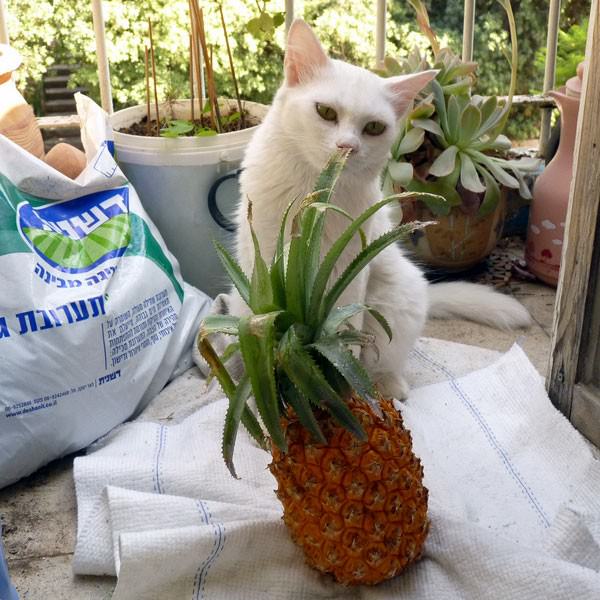
Can Cats Have Pineapple Cat Breed Selector
Pineapple leaves and husks contain an enzyme called bromelain as well.

Is pineapple toxic for cats. Giving the cat a piece of plant matter to eat is counterproductive, as they lack the digestive enzymes to make best use of it. Pineapple leaves are not dangerous or toxic to cats. As pineapple leaves contain sap, they may cause allergic reactions if it comes into contact with skin.
Pineapple leaves are not particularly dangerous or toxic to cats, though they do contain sap, which, like the milky white goo that emerges when you pick a ripe fig, can provoke allergic reactions when it comes into contact with skin. Pineapples leaves are not toxic to cats but contain sap, which can cause skin allergy to your feline friend. The spikey skin and hard core should be removed before giving to a pet to prevent choking hazards.
Yes, cats can eat pineapple, with a few stipulations. Oranges, limes, and lemons are also considered toxic to cats. If you’d like more info on how to detox your pet naturally, (it is highly recommanded especially if your cat ate one of these toxic food), feel free to contact homeoanimal.com for more information.
Unlike citrus fruits, this delicious tropical treat won't cause poisoning or any form of toxic reaction. Benefits of sage for cats. Is pineapple sage toxic to cats?
Although pineapple is not naturally found in a cat’s diet, pineapples are not poisonous to cats, however, they can cause stomach upsets and diarrhoea. Actinidian is also found in kiwi so if they got an upset stomach after taking a slice of kiwi off a cheese cake, you made it is probably best to avoid pineapple altogether. As with the actinidain within the fruit itself, this enzyme is not particularly toxic to cats, but it can cause swelling, bleeding, or other allergies in cats.
Are canned pineapple saturated with sugary syrup will be safe? Pineapples are not toxic to cats. Pineapple leaves are not particularly dangerous or toxic to cats, though they do contain sap, which, like the milky white goo that emerges when you pick a ripe fig, can provoke allergic reactions.
Pineapple tops and leaves are poisonous to cats. While pineapple is not poisonous to cats, it is not great for them. Fresh pineapple is preferred over canned, which is often packed in a sugary syrup that may contain preservatives.
It is also known to help prevent cancer. Pineapples are not inherently toxic to cats but do be careful as they contain an enzyme called actinidian, which some cats can have an allergic reaction to. While it’s safe for cats to occasionally eat a few small pieces of pineapple, fruits are not a necessary part of a cat’s diet.
It’s counterproductive to allow cats to eat plant matter given their short digestive capacity. If you are a cat owner and wonder if pineapples are safe for cats to eat, the answer is yes. They assist the cat in relaxing its muscles and avoiding trembling.
How about pineapples with native sugar content? The outer husk and pineapple leaf contain bromelain enzyme, which is an actinidain in fruit that spurs bleeding, swelling, and other allergies in cats. Pineapple is a fruit that contains lots of vitamin c and fiber.
Pineapple is not toxic for cats, but you should remember that it is a fruit, and cats are carnivores, so it should only be given as a treat in small amounts. A pineapple’s leaves and outer husk also contain an enzyme called bromelain. If you want to share some pineapples with your cats, then you could with some caution.
This enzyme may be allergic to some cats. There is a difference in between foods items that cats can consume and those that they ought to consume. The quick answer is yes, most cats can eat pineapple, however, it is not as simple as that.
1 can cats eat pineapple. Also, it is an antioxidant. Because your cat won’t recognize sweets, sharing sweet treats with them is pointless.
Although pineapple leaves are not particularly dangerous or toxic to cats, they do contain sap, which, like the milky white goo that appears when you pick a ripe fig, can cause allergic reactions when it comes into contact with the skin. Sharing a sweet treat with your cat is meaningless, considering that they are incapable of acknowledging sweetness. Is pineapple dangerous for cats?
Are pineapples toxic to cats? Neither the leaves nor the fruit of the pineapple are toxic or poisonous to cats. Like any other sugary fruit, it is best to feed pineapple to pets in small quantities.
Like any other sugary fruit, it is best to feed pineapple to pets in small quantities. No, they are not toxic to cats. The spikey skin and hard core should be removed before giving to a pet to prevent choking hazards.
Seizures and bodily shocks are also reduced. Is pineapple good for cats? From folate to zinc, pineapple is bursting with vitamins and minerals that can help your cat or dog's digestion and immune system.
Is pineapple toxic to cats? This tropical treat is high in fructose and contains several vitamins (a, b6, folate, c) and minerals (magnesium and potassium). However, if you feed your cat pineapple, it could lead to diarrhea because it contains citric acid.
Is pineapple top poisonous to cats? Neither the leaves nor the fruit of the pineapple are poisonous or harmful to cats. Cats and pineapple tops or leaves are not cats.
Conclusion on can cats eat pineapple. It is very dangerous for cats to eat pineapple leaves and tops. Nevertheless, give them in moderation.
From folate to zinc, pineapple is bursting with vitamins and minerals that can help your cat or dog’s digestion and immune system. Sharing a sweet treat with your cat is pointless, since they are incapable of recognizing sweetness. Can i give my cat pineapple?
An enzyme called actinidain present in pineapples.
American society for prevention of cruelty to animal’s lists of toxic plants for dogs or cats, and is not considered toxic to pets. The american society for the prevention of cruelty to animals states the common lavender plant ( lavandula angustifolia) contains linlool and linalyl acetate, two compounds toxic to cats (and found in other flowers like bergamot).
Is Lavender Toxic to Cats? Savvy Pet Care
Is lavender toxic to cats?
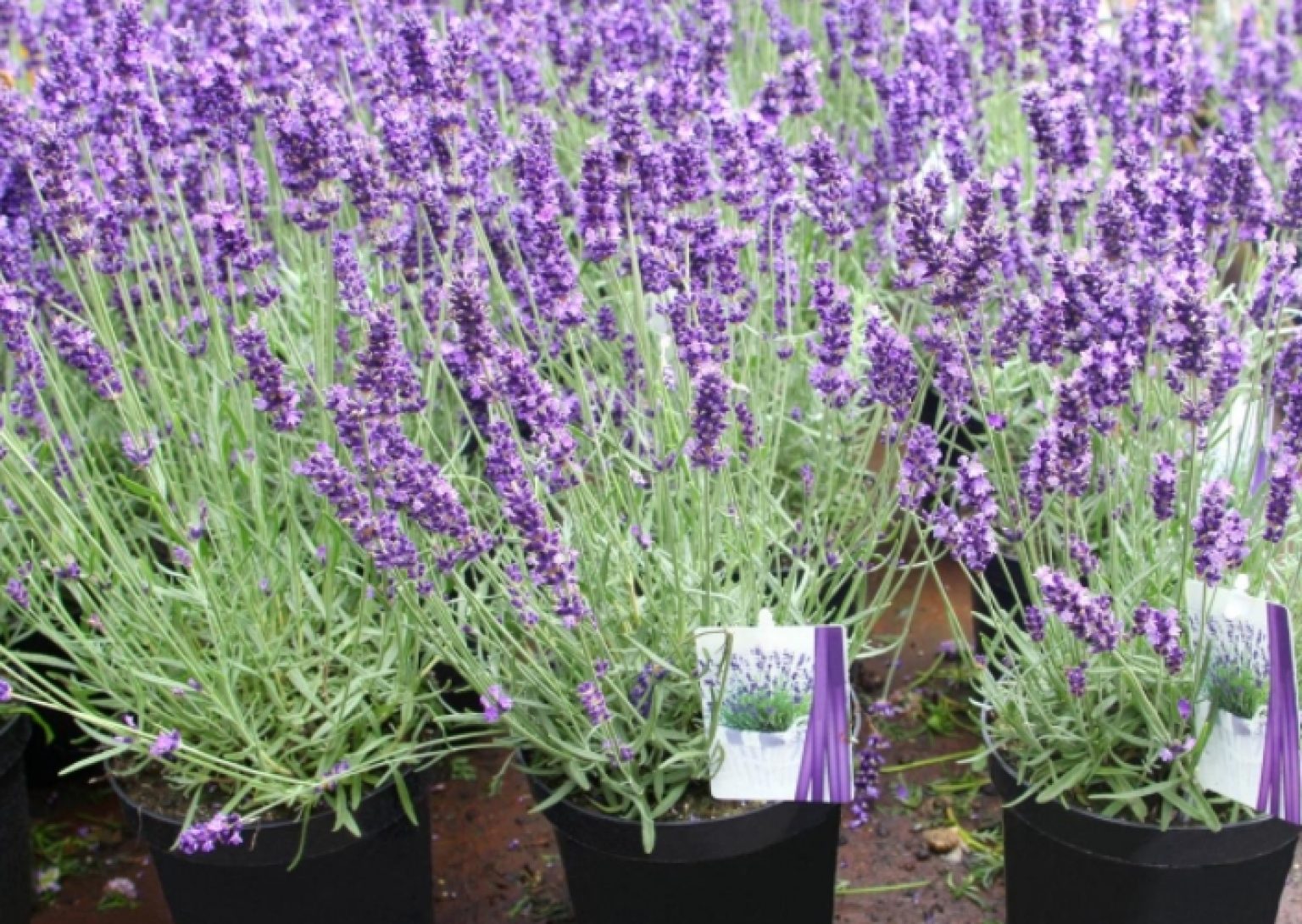
Lavender toxic pets. Is lavender oil toxic to pets? This is because you will eventually come into contact with your pet, and the product will rub off on them. In either case, your dog may start vomiting, scratching himself and experiencing diarrhea.
While lavender oil has many benefits for dogs, it can be dangerous if not used properly. Dogs would need to eat a large volume of lavender plants to get sick, but could fall ill after ingesting only a small amount of lavender oil. By admin november 11, 2021.
Then i also remembered that i have been using lavender. According to the american society for the prevention of cruelty to animals (aspca), lavender plants are toxic to cats and can cause nausea and vomiting. Lavender contains a small amount of linalool, which is toxic to dogs and cats.
The toxicity of this plant is relatively high, which makes it too dangerous for cats. Nausea, vomiting (not in horses), inappetant. The american society for the prevention of cruelty to animals states the common lavender plant (lavandula angustifolia) contains linlool and linalyl acetate, two compounds toxic to cats (and found in other flowers like bergamot).
Keep a close eye on your pet’s reactions and in the case of a adverse reaction, make sure to move your pet away from any diffusers, bathe your pet if the oil was applied topically, and take your pet to the vet if they show any indications of a negative reaction to the lavender oil. Research has shown that lavender, especially in essential oils, is dangerous to cats. Also, what essential oils are toxic to pets in a diffuser?
Children are at risk of poisoning, because they may try to ingest the oils, but pets are also at risk. The reason why is simple: Lavender contains linalool and linalyl acetate, and cats lack the enzymes necessary to process these compounds, says dr.
Even more worrisome is lavender in its essential oil form, which barrack says has the highest toxicity levels. There is a possibility that lavender poisoning can occur, resulting in vomiting, reduced appetite, and other symptoms. Cats are unable to process lavender as a toxin.
If you suspect your pet may have ingested a potentially toxic. Using lavender products on your skin is an excellent way of poisoning your cat. Only use diluted lavender oil on your dog.
Lavender is mildly toxic to cats, which means it’s not typically fatal. The aspca and animal planet do not include lavender on their lists of plants and herbs that are potentially poisonous to cats, meaning a lavender plant in your garden or home poses no danger. Dogs can have negative reactions to lavender, or can eat far too much of the plant.
According to the american society for the prevention of cruelty to animals, the common lavender plant (lavandula angustifolia) contains linlool and linalyl acetate, two compounds that are toxic to cats (and other flowers like bergamot contain linlool and it’s basically impossible to get sick from lavender in any form. Although lavender itself is not poisonous to dogs, there are some circumstances in which eating lavender can be dangerous to your pet. Toxic to dogs, toxic to cats, toxic to horses.
If you use essential oils, here are some rules of thumb to help keep your pet safe. Are lavender plants safe for pets? Therefore, if you must use lavender in a home with cats, consider using an oral lavender product.
Concentrated lavender oil contains more of these compounds than its flowers; So i put all those treasures away and didn’t think much more about them. According to the american society for the prevention of cruelty to animals (aspca), lavender plants are toxic to cats and can cause nausea and vomiting.
“lavender contains linalool and linalyl acetate, and cats lack the enzymes necessary to process these compounds,” says dr. Two compounds found in lavender, linalool and linalyl acetate, can be toxic to dogs in large amounts. Jagoda matejczuk / 500px/500px/gettyimages.is lavender poisonous to dogs?lavender is on the aspca's list of plants that are toxic to dogs.and if dogs don't eat much of the lavender, presumably it is less likely to be toxic to them.some veterinarians, who prefer to try holistic or natural treatments over medication, advise their clients to use lavender.
Everything you need to know! There is a small amount of linalool in lavender, which is toxic to dogs and cats. Always dilute lavender oil with a carrier oil like coconut or jojoba oil before using it on your dog.
Cats, too, have a fondness for aromatic plants that are tasty and may be drawn to a fragrant herb such as lavender. Then i had a little flicker in the back of my mind that reminded me i heard recently lavender is toxic to cats. Mild exposure to lavender is not generally harmful and may help with anxiety, depression, and stress.
Lavender poisoning is possible and may cause vomiting, reduced appetite, and other symptoms. Aromatherapy is safer than giving your dog lavender essential oil to ingest. Basically, in any form, lavender can make your kitty sick as heck.
Here are some safety tips to keep in mind: Is lavender toxic to cats? Is bamboo toxic to cats?
Basically, in any form, lavender can make your kitty sick as heck. Is lavender smell safe for pets? Cats who encounter lavender are at risk of developing kidney failure, seizures, and liver damage.
However, it does contain volatile oils that can cause stomach upset or depression of the nervous system if consumed in large amounts. According to the american society for the prevention of cruelty to animals , lavender plants are toxic to cats and can cause nausea and vomiting. Is lavender harmful to pets?
Some symptoms of lavender toxicity in cats and dogs can include: The mild exposure to lavender is not generally harmful, and it may even relieve anxiety, depression, and stress. Also, what essential oils are toxic to pets in a diffuser?