Affected dogs may have a noticeable hard swelling at the site of the cancer, or may simply. Difficulty eating if a tumor affects the jaw.

Canine A Dog In The Cancer Fight
What are the first signs of osteosarcoma in dogs?
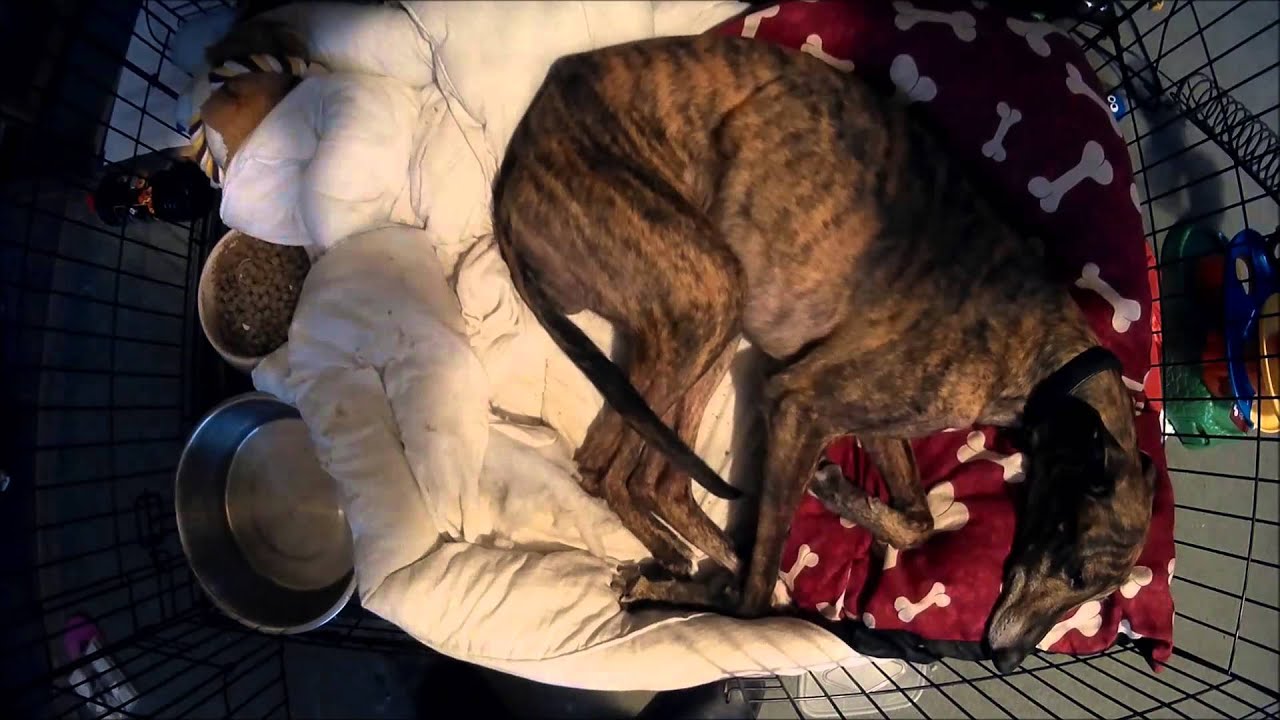
Osteosarcoma symptoms in greyhounds. When there is no light at the end of the tunnel, there is no reason to have your dog go through hell, which is what will slowly happen. Make sure your vet is aware of the risk for osteosarcoma in greyhounds, because in its early stages it can often be misdiagnosed. How fast does osteocarcoma spread in greyhounds?
Osteosarcoma (bone cancer) is the most common type of cancer that affects the bones of dogs. The lameness goes from intermittent to constant over 1 to 3 months. Know the signs and symptoms of a lifethreatening condition known as gastric dilatation volvulus, more commonly known as dog bloat or twisted stomach in dogs.
After the tumor starts growing and damages the bone tissue, the lameness will be constant and is a clear symptom of osteosarcoma. He is a 5 year old black and white male with the sweetest disposition. This is often the first sign of a tumor in the skull, jaw, or ribs.
These dogs typically have normal hemostasis profiles (aptt, ospt), and the severity of In contrast with other breeds, where dogs with osa typically develop bone swelling and/or limping, greyhounds frequently develop a. If the osteosarcoma doesn’t spread to other parts of the body, the survival rate is around 70%.
Signs and symptoms of osteosarcoma in dogs swelling or a mass; Painful swelling can involve only the bone or can also include surrounding soft tissue. Symptoms of bone cancer can vary from a limp or bone tenderness to a hard lump on the ribs or a sudden, unexplained bone fracture.
Thuja, carcinosin, hoxey with boneset, ultra efa, canine cancer support, mash vital nutrients, liposome angioinhibitor, cranberry comfort. Increased water intake, slight incontinence/leaking. Liver or kidney failure can cause your greyhound to exhibit symptoms such as vomiting, poor appetite, increased drinking or urinating, weight loss, or jaundice.
This makes pannus a very serious. Osteosarcoma (or malignant bone cancer) is the most common type of cancer that affects the bones of dogs. Signs & symptoms frequently, the dog presents with lameness with or without other signs such as lethargy and weight loss.
Here in america, osteosarcoma is a big problem in big dogs, including the greyhound, with a qualification. This article is about how it affects greyhounds. When your greyhound stops eating ngap.
Pannus is a concern in greyhounds, not only because it causes sight loss, but also because the normal treatments for the disease can lead to the risk of returning a positive swab. The dog will be less active and will lack appetite. Limited movement, bone pain, a lump and an unexplained broken bone are the most common symptoms.
Once again, it fit with the traditional “osteo” symptoms we’d experienced before. She had a pretty big swollen area on her front right “shin”. Affected dogs may have a noticeable hard swelling at the site of the cancer, or may simply go suddenly.
I’ve written a longer article about the diagnosis and treatment of osteosarcoma that you can find at the link. It’s not unusual for the dog to show no clinical signs until it develops a spontaneous fracture (break) at the spot where the bone has been weakened by the tumor. Neurologic signs, such as seizures or a wobbly gait, with the skull or spinal/vertebral tumors.
Prevention of gastric dilatation volvulus or bloat in dogs. The symptoms of osteosarcoma in greyhounds the very first symptoms you are likely to notice at home include a limp on one limb, or apparent tenderness in one leg, which may appear worse after exercise or make your dog more reluctant to exercise in the first place. Each day your greyhound will get a little worse and be in more pain and that little voice in the back of your mind will keep reminding you that your greyhound runs the risk of a spontaneous fracture at any time.
The dog may experience loss. I have a greyhound named briggs (jg blackhawks). Many owners notice their dog limping and assume it.
The dog will be in pain. Once your hound is diagnosed, you have a hard decision to make. His fur sister is a 9 year old boston terrier.
It wasn’t there an hour earlier and she hadn’t been acting like she was in any pain up until that point. This cancer gradually eats away at the healthy bone tissue, leaving weaker, damaged bone which can break easily, even with normal activity. Obvious swelling becomes evident as the tumor grows and normal bone is replaced by.
It develops deep within the bone and becomes progressively more painful as it grows outward and the bone is destroyed from the inside out. Gar rule 74(3) also allows a track veterinarian to scratch a greyhound from a race if it is ‘found to have or suspected of having impaired vision in one or both eyes’. Osteosarcoma is the most common type of cancer that begins in you or your teenager’s bones, usually in the arms or legs.
A dog with osteosarcoma in the leg may start to limp for no reason or the owner may notice a hard lump on the dog’s leg. This cancer gradually eats away at the healthy bone tissue, leaving weaker, damaged bone which can break easily, even with normal activity. If detected early through routine blood screens, these diseases can be managed with.
You can give the hound pain meds and other palliative care for the few remaining months of his life, or you can elect to amputate the affected limb (with or without the addition of. The essential facts about osteosarcoma in dogs are: Clinical signs (“symptoms”) osas occur predominantly in the ends of the distal radius (wrist), distal femur (knee), and proximal humerus (shoulder)(“towards the knee and away from the elbow), although other areas can also be affected.
It generally starts in a leg bone; My second greyhound dickie was diagnosed at 8 years old, just a couple of months off his 9th birthday. Another symptom is depression and sleepiness.