Cats sleep a lot, to say the least. However, changes in sleeping pattern along with other symptoms.
39 Hilarious Examples Of Cat Logic That Will Make You

All it takes to ensure this is not cleaning the litter box with bleach, pinesol or any other strong chemical that will strip out any odor.

Can sleeping next to the cat box make you sick. One cat will decide that he is not going to let the other cats access the box. Over the years, we’ve noticed that our cats like to spend lots of time with us whenever we’re sick. Yep, even cuddling with your cat can be hazardous to your health, believe it or not.
Ringworm symptoms in both humans and cats include an itchy, scaly, bumpy rash that spreads with a ringlike formation at the borders. They come from a parasite that some cats carry, although not always. The sound of your breath and even your snoring is like purring to cats.
Once you notice that your cat is lethargic, ensure that there is a quiet dark place for it to rest away from the hustle and bustle of the household. Unfortunately, you can’t always tell if it’s present when you inhale cat litter dust, as it can be invisible. Our cats sleeping with us when we’re sick isn’t shocking because our cats almost always sleep with us, but when we’re sick they never leave our side!.
If you have no other options, take a few precautionary measures to lessen the impact the litter box has on your. As we’ll discuss in the following section, inhaling cat litter dust can cause medical problems. Common symptoms include fever, chills, headache, muscle aches, abdominal pain, vomiting, jaundice, diarrhea, and rash.
The symptoms are often mistaken for other illnesses. According to our vet at prospect animal hospital, sleeping and hiding in the litter box is a common reaction in cats to. Although they are not common, documented cases show people contracting infections by getting too cozy with their animals.
Cats can be near obsessive about their cleanliness, so if kitty is napping in the litter box, something is very wrong. Most people will blame cat fur or dander but it may actually be the result of cat urine. There is one small exception here, though.
Being exposed to the ammonia in cat urine can make you quite sick. Contact your vet if your cat seems to be lying around a lot,. Have you noticed your cat sleeping more or deeper than usual?
Cat bites account for less than 15 percent of animal bites treated in emergency rooms, and they. Breathing is easier if a cat struggles for air; Placement placing your cat's litter box in the basement or in the laundry room, letting the washer and dryer deal with the occasional bad smell, is the best option.
“an active cat may be disturbing your sleep cycles which can result in unrestful sleep.” athletic feats aside, cats may snore, scratch, or. If your cat begins growling, swatting. Offer fresh food and water to encourage appetite.
He wants to feel safe. If not treated, the second phase of symptoms includes kidney or liver failure or meningitis. Normally sedate cats can become really hyper and agitated as a result of pain, too.
The bottom line is to know what is normal and. Despite this, sick cats will often lie on their side. Can inhaling cat litter dust make you sick?
The number goes up to 20 hours for kittens and older cats. Lethargy is a sign of a problem, even if it's subtle. If your cat is sleeping in the litter box, the circumstances are clearly not normal.
Not only can this lead to cats sleeping in the litter box, it can lead to cats avoiding the litter box and eliminating in inappropriate places. But beware—your cat can make you sick. Your cat’s litter box should always have a faint smell of urine.
Often, sleeping against a human's head starts when a cat's a kitten. Weight loss is more urgent in the short term whereas weight gain is usually more harmful over time. As you can see, there are many causes of lethargy in cats.
Kittens who snuggle against the human neck can feel the carotid artery throbbing there, and it gives then the sense of security they had in the womb. It’s different for every cat, of course, but basically, your cat would spend about 2/3 of its life sleeping or napping. Sleeping with, kissing and being licked by your pet can make you sick.
For one, cats can harbor fungi that cause ringworm and can do so whether they themselves have symptoms of ringworm or not. The most common sign of a problem is breathing trouble but it can show up in other ways too. Either might be a sign of an underlying health problem.
For some people, the symptoms of ammonia poisoning from cat urine resemble an allergy. Try canned food if the cat doesn’t want the dry kibble. Muscular pain is avoided as no pressure is placed on the joints
Even though cats spend so much time asleep, changes in their sleeping patterns may be a sign of a medical problem.a sick cat may seem overly tired or weak, doesn't show interest in anything, and often also exhibits other behavioral changes or a lack of. So faint that only your cat, who has a highly sensitive nose, can smell it, but you cannot. As the pet parent, it is your responsibility to figure out what is making your cat uncomfortable and find a feasible solution to your pet's discomfort.
If you're leaving for a couple of days, ask whomever's taking care of your cat to scoop the litter while you're gone so you're not assaulted by the stench of ammonia when you return. Resistance to touch and wanting to be left alone may signal an issue. The disease lasts between 1 and 3 weeks.
The solution to this problem is to add litter boxes.
Urinary incontinence occurs when a dog loses its ability to control this action, leading to involuntary leaking of urine. Loss of muscle tone in the anal area;
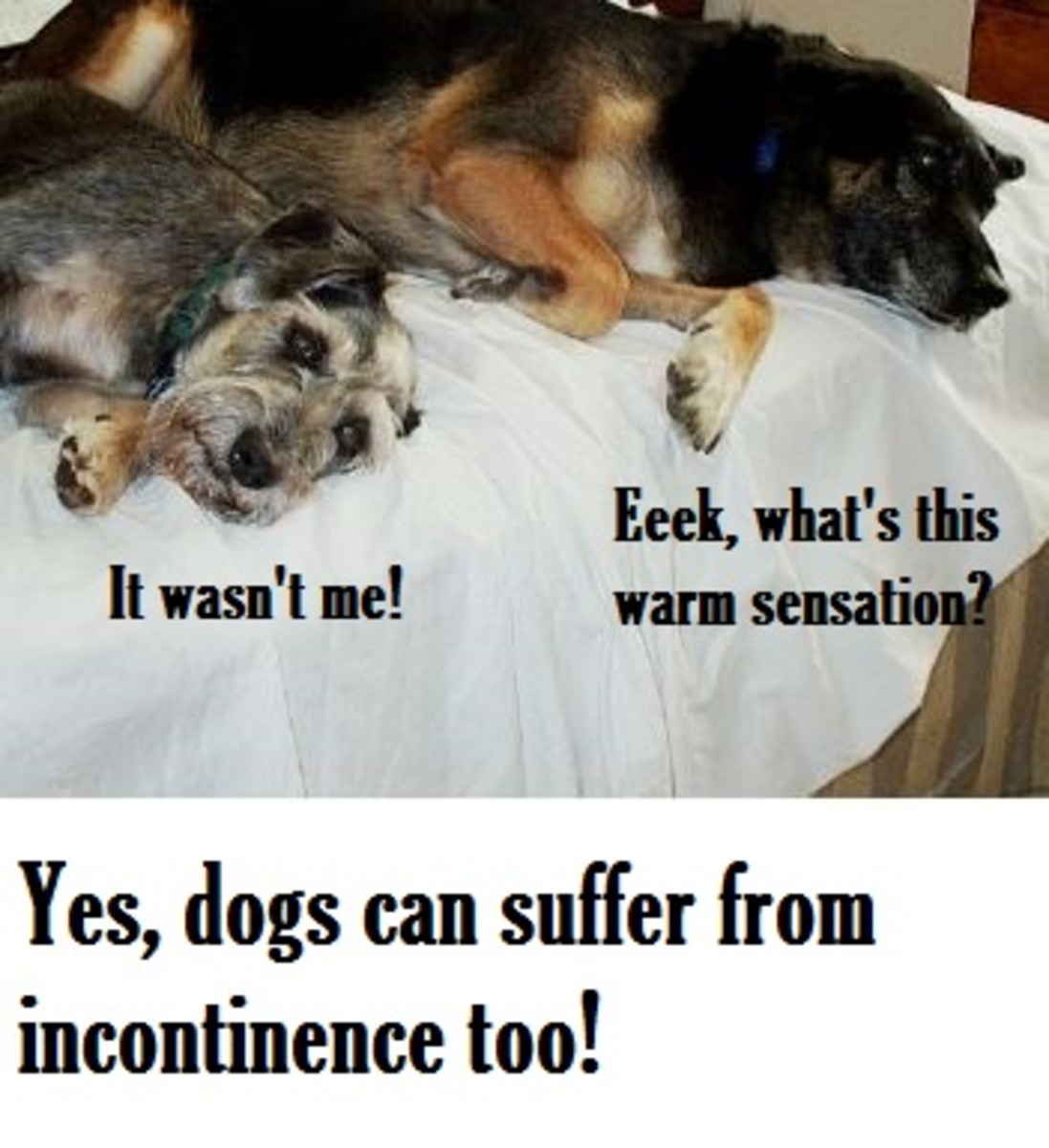
Why Does My Dog Urinate While Sleeping? Dog Discoveries
Urine is most likely to leak from your incontinent dog's bladder while he's lying down or sleeping.

Incontinence in dogs while sleeping. Involuntary urine loss during sleeping is a result of urinary incontinence in dogs. Your pooch will also look thirsty all the time, which explains frequent urination. Defecating while walking or sleeping;
Dribbling while walking or lying down, wet spots on bedding or sleeping areas, and frequent licking of irritated skin in contact with urine are some of the most common signs of this disorder. There are many different causes, ranging from congenital problems (something they are born with), to urine infections and spinal problems. Take your dog for a walk last thing at night and first thing in the morning, and whenever she wakes from a nap or more often during the day.
Why does my dog urinate while sleeping? It is most likely to happen in a female dog that has been spayed, but it can also occur in male dogs. He may develop sores and ulcerations around his genital region, since the acids in his urine can burn his skin, a phenomenon vets call urine scalding.
It is usually caused by a medical condition, and your dog likely is not aware it’s happening. Urinary incontinence, or the involuntary passing of urine, is a fairly common problem in dogs. Sometimes dogs even dribble urine as they walk around the house, completely unaware of the problem as it is occurring.
Learn the causes of incontinence in older dogs and strategies for dealing with it. Dogs who have incontinence issues often pee in their sleep, and you notice your dog pees while they’re lying down. If your dog is incontinent, you'll probably see him licking his genitals a lot more frequently.
Urinary incontinence is not normal and shouldn’t be ignored, even in an older dog. The most common clinical sign is pooling or spotting of urine underneath your dog when she is sleeping or relaxed. Hence, dogs with utis won’t wake up during the night to relieve themselves.
Hence, no measure of training could override this incontinence in a sleeping dog. Incontinence is usually caused by a medical condition, and your dog probably isn’t aware it’s happening. Your dog may void while sleeping or may leak urine at various times throughout the day while standing, lying down, or sitting.
This means your dog could have accidents whilst sleeping. It is usually observed as involuntary urine leakage. Many of these dogs also have urinary tract infections or other problems with their urinary tracts.
Urinary or urethral incontinence is the loss of voluntary control of urination. Bladder leakage can indicate a more serious issue, so having your vet check things out is the best place to start. This is a major problem for dog owners that always had a properly housetrained dog.
It typically happens while they're sleeping or resting. Use dog diapers or prepare a clean, dry bed every. Anything that affects the urinary tract, including the muscles and nerves that control it, can lead to incontinence.
By adrienne farricelli aug 21, 2016. Dribbling while walking or lying down, wet spots on bedding or sleeping areas, and frequent licking of irritated skin in contact with urine are some of the most common signs of this disorder. Your pet’s hindquarters are wet with urine, your dog frequently licks the genital area, and possible scaling around the penis or vulva.
This usually involves small amounts of urine and tends to occur more when a dog is sleeping or lying down to rest. Incontinent dogs are unable to control when and where they urinate. Keeping your dog comfortable, clean and dry is a priority when she suffers from sleep incontinence.
Other signs you may notice: Sleeping in a wet patch is uncomfortable and upsetting. This is the kind of leak that occurs most often in spayed female dogs.
The housetrained canine suddenly starts losing control of the bladder and leaves a mess behind on the floor, or worse, the bed (hopefully not yours though). Often urinary incontinence is a common problem among older female dogs, and particularly while they are sleeping. Many dog owners assume that a dog who is urinating while sleeping is a dog who hasn't been completely housebroken, but in reality, a dog with sleep incontinence is more likely to have a medical disorder rather than displaying a potty training problem.
The signs of bowel incontinence are caused by your dog not being able to control his bowel movements and may include one or more of the following: Urinary incontinence in older dogs while sleeping. It’s a hard thing to accept, but your dog may simply be senile.
Dragging hind end on the rug or floor; Incontinence means losing the ability to control the bladder and the bowels, and there many reasons why this happens. Common causes of incontinence in senior dogs include urinary tract infections, kidney disease, arthritis, and dementia.
Supplements and medications can help treat incontinence in dogs, though if there is a root health issue causing it you can certainly treat that. Severity can range from small The inflammation caused by these infections can make a pup incontinent while sleeping.
What are the clinical signs of urethral incontinence? If such an accident happens while the dog is sleeping peacefully it’s obvious the problem is out of its control, but you might notice similar incidents when your pet is awake.