Lice can be spread through direct contact with a person who also has the lice infestation or has eggs which transfer to the body hairs. Those patients who have animals or who are exposed to the outside world.
Difference Between Lice and Fleas
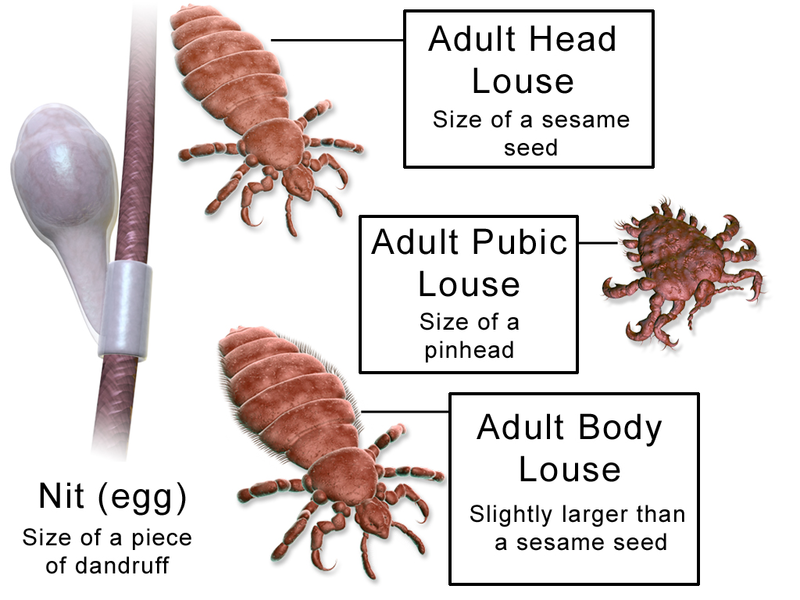
Fleas, bedbugs and lice are insects, whereas ticks and mites belong to another group of arthropods, the acarina.
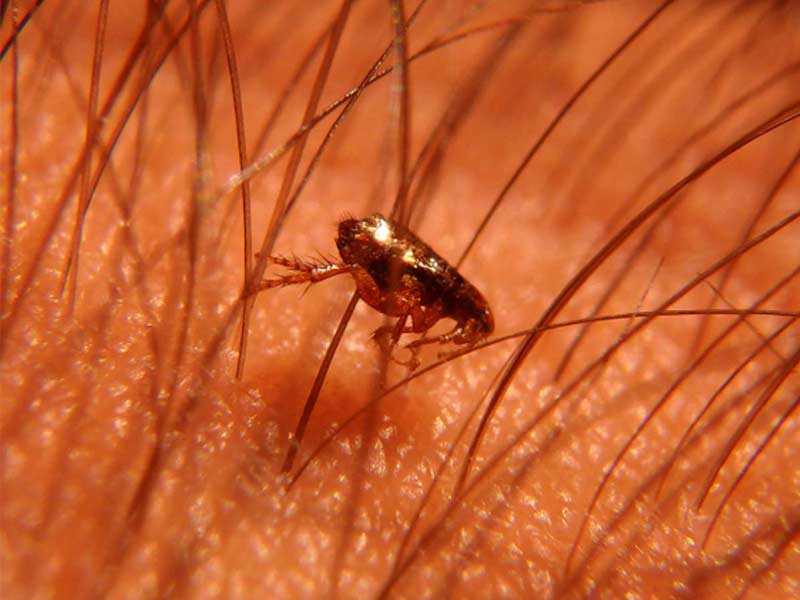
Fleas versus lice in hair. Fleas will feed on blood or on living skin tissues, while lice typically. In summary, when you sleep with a pet, fleas can temporarily hide in dense or full frizzy human hair (like remy human hair). One of the main underlying causes for that is their versatility in adapting to different kinds of niches.
They show close resemblances with each other, but the occupied niches are different and their adaptations are. The lice themselves may be visible, or you may recognize the nits (eggs) attached to hair shafts. This is common when they can’t find their preferred hosts like cats or dogs.
Nits can often be mistaken for dandruff, flakes of dry skin or other small items caught in the hair. Fleas, on the other hand, live about two to. As the hair grows, so the nits (or their empty shells) are carried away from the scalp and are more easily visible.
It is easy to spot lice and nits in hair against the dark background. They have very stout legs and claws, which help them to cling to the host’s hair and feather. Then rinse off as usual with warm water, no shampoo needed.
On the contrary, it is comparatively difficult to spot fleas in our pets. Lice are light white to yellow in color while the fleas are dark or almost black in color. While the fleas are flat, the lice are tiny and ovoid.
It is usually worse at night when the lice are most active. Let’s talk more about these. Fleas also have the tendency to move around while lice remain attached to a single hair follicle.
Fleas will appear as small black spots moving around on your pet’s fur, while lice will be small white or yellow bugs attached to the hair itself. Even though both fleas and lice are wingless insects that infect human hair and animal fur, they are different conditions and require different treatments. Lice primarily infest humans and requires special bathing and combing to kill.
Spray your hair using this paste, ensuring that it remains in the hair for at least 10 minutes. Although flea and lice infestations may seem similar in nature, both infestations have fundamental differences. Head lice cause an intense itching or tickling feeling in the hair.
They also differ in the manner in which they feed. Both are small wingless insects that bite and chew skin. You will recognize a dog lice vs a flea based on the coloring alone.
While female fleas have lower fertility inside the. A flea mainly survives on the blood of the host, whereas the lice can survive on blood, dead skin particles, among other things. The two ‘“ fleas and lice also have different colours.
The louse had has pincers at the end of the legs, similar to crabs, which allow them to hold on the hair. Lice are found mainly on the human on their hairy parts, mostly hairs or the underarms, whereas fleas are found mainly on the skin of birds and animals in their warm parts of the body. In the absence of their hosts, some flea types such as canine fleas, feline fleas, human flea (pulex irritan) can still infest your home and stay in your head, facial and body hair, especially if.
Fleas, unlike other pests can survive with or without their host; A paste made of baking soda and water is an effective remedy to get rid of fleas in the hair. Fleas usually infect fur and are killed with medicated shampoo.
Lice cause less pain in comparison to fleas which cause slightly more pain. Unlike adult insects they have only two main sections to their body, and the adults have four pairs of legs (as opposed to three pairs in insects). Another difference could be the ability of fleas to jump and the pain they cause.
That said, fleas are dark or black creatures that have the ability to jump from one host to another, whereas lice are yellow or white insects that are limited to crawling. The lice comes in dark grey and the fleas have normally dark, reddish brown colours. There are also numerous shades for the two fleas and lice.
Lice are found only in humans, while fleas are found in many animals, including human beings. Bedbugs, head lice and crab lice do not carry disease, but their biting can be a On the body, lice also cause severe itching and may cause a red rash as an allergic reaction.
Lice usually live for about one month and females may lay numerous nits (eggs) in their lifetime. Lifespan and reproduction are other important differences between fleas and lice. Lice harbor in human hair while fleas can harbor in pet beds, grass, and even carpets.
Fleas are 1 to 4 millimeters long, while lice can grow to be 4.5 millimeters. After laying nits, female lice glue them to the pet’s hair shafts. If the lice have been present for some time, the skin may thicken or.
Fleas are also parasitic in nature, which means they enjoy feeding off of their hosts. While fleas target animals, feeding on their blood, lice feed on human blood, laying eggs in the hair closest to the scalp. Lice are parasites that can crawl and infest the human skin and scalp.
The main difference between lice and fleas is that the lice mainly burrow into hair parts of the human body while the fleas are quickly moving small insects found mainly on animals. Their bites can cause discomfort, itchiness, and irritation. Similarities between lice and fleas.
Fleas are small insects that survive by feeding on animal or human blood. While the fleas have a flat shape, the lice come in small and oval shape. Nits cannot be shaken off, whereas flea eggs fall onto the floor easily, are white, and are hard to see in the home.
Hence, lice are harder to find and dislodge from the hair. They are usually white or grey. Furthermore, the lice bite is comparatively less painful while fleas bite is more painful.
They both can cause hair loss, itching, and bacterial infections.