Hairballs although hairballs are caused by hairs ingested during your cat’s grooming, and not by mealtime food, presence of hairballs can also lead to vomiting after your cat eats. Inflammatory bowel disease (ibd) causes chronic vomiting in cats.
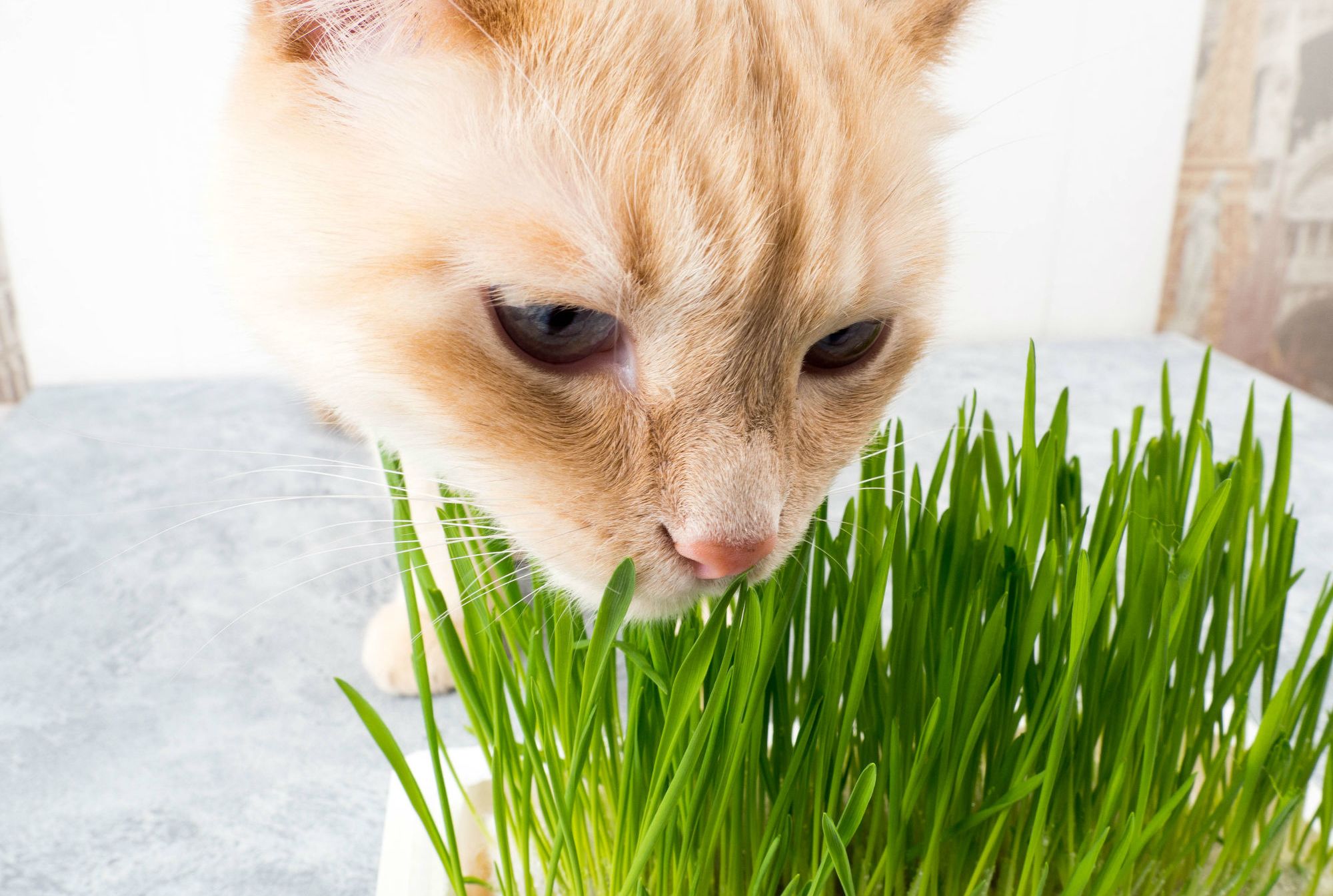
Why Does My Cat Keep Eating Grass And Throwing Up CatWalls
That said, throwing up right after eating can be an indication of a more serious problem such as hairballs, dehydration, esophageal issues, or a digestive tract obstruction.

Cat keeps throwing up after eating. If your cat still vomits after eating too fast, put an inedible object (e.g. A golf ball) in their bowl. There are certain red flags that you should recognize and act fast the second they happen, including:
If nomnomnow is a little out of your budget, that’s okay. If you suspect food allergies, a. A number of fun cat bowls are available to help slow your cat's eating, if your cat eats too quickly.
If you are the pet parent of a senior kitty and notice your old cat vomiting frequently or even daily, it might be a symptom of the following illnesses. Your cat may eat too quickly, and this can cause regurgitation of undigested food. Why is my cat throwing up undigested food?
Cats that eat fast have a tendency to throw their food up soon after, and this quirky behavior has the perfect name, scarf and barf. Chronic small intestinal disease in cats. Nomnomnow is the best cat food for older cats that vomit up their meals.
The full list you can read at what food cat can eat. The object must be clean and large enough so your cat can't swallow it. By not chewing the food well enough, the cat increases its chances of throwing up.
The condition may also be caused by a medical problem. This is common, but if it happens all the time, consult with your veterinarian. There are lots of reasons for gastrointestinal tract irritation:allergies, intolerances of food, obstructions, or something that interferes with digestion.
Beanietoes readers can save 50% on their first order with this link. She also has been doing these dry heaves,,,while she was sleeping.and twice she threw up foam and a little water.not much.still has an appetite though and i won't give her more than a teaspoon of food.usually will throw up right after she eats.within five minutes.she has never had any problems like this before. If your cat frequently vomits right after eating, a trip to the vet is required.
This forces your cat to eat around the object to pick out the food. Well, there are a number of reasons. There are many reasons why a cat may vomit after eating, including:
A cat vomiting due to eating too much is less likely but feeding your cat smaller and more frequent meals may help. So why do cats throw up? If your cat vomits as a result of speedy eating, try feeding her several small meals throughout the day, rather than one large bowl full of food.
Cats may throw up even when they’re not sick. Cats eating to excess is a common explanation for vomiting. For more, we recommend reading:
A change in diet could also be the cause, or your cat could be allergic to certain ingredients in the cat food. Let’s face it, constantly cleaning up barf isn’t how you want to spend your day; Eating a meal too quickly makes some cats vomit the food back up.
Food intolerance or food allergy There are a lot of other more enjoyable things you could do with The throwing up after a meal is caused by the fact that the cat eats food too quickly, and it is more common in kittens but may also occur in adult cats.
You should take your cat’s vomiting as a sign that it needs medical attention. The food was not absorbed into the stomach when it was in the vomit. To slow down eating, keep pet siblings (both cats and dogs) separated if someone seems to be eating too fast because of stress or pressure exerted by household competition.
If your cat keeps throwing up numerous times during the day; Cats do throw up undigested food, and this could be due to eating too fast, or consuming too much food in a short period of time. You should also talk to your veterinarian about how much you feed to verify your cat is not being fed too much and is getting the nutrition they need.
If your cat throws up right after eating, they may be eating too much or too fast. There are several possible causes of cat vomiting, and these questions will help guide your veterinarian in the right direction. Gastrointestinal causes of cat vomiting.
It’s the best option when it comes to food for cats that vomit up their dinner, because fresh foods are super digestible. Regurgitation is the term used if the throwing up occurs within 30 minutes after eating. Food allergies and intolerances are among the most common causes of chronic vomiting in cats.
The most common cause of vomiting in older cats (cats 11 years old and up) is chronic small intestinal disease. If your cat is throwing up for 3 days or more Getting to the bottom of your cat’s food allergies requires finding the offending protein and removing it from the diet.
The last time a cat ate must be known. Cats can often eat beyond the point of fullness (polyphagia) for the following reasons: Although there are plenty of reasons why your cat is throwing up food but acting normal, vomiting can be something to stress about.
Yep, you read that right; • a cat vomiting up its food hours after eating could be due to obstruction, slow functioning of the digestive system and/or pancreatitis. • a cat vomiting immediately after eating or within half an hour after eating may indicate both acute and chronic gastritis.
They might be reacting to a change in their diet, or they might have eaten something they shouldn’t have like a rubber band.
He has always been extremely sweet and docile. If a cat is licking under your arm, it could be seeking the salt that exudes from our bodies in the form of sweat.
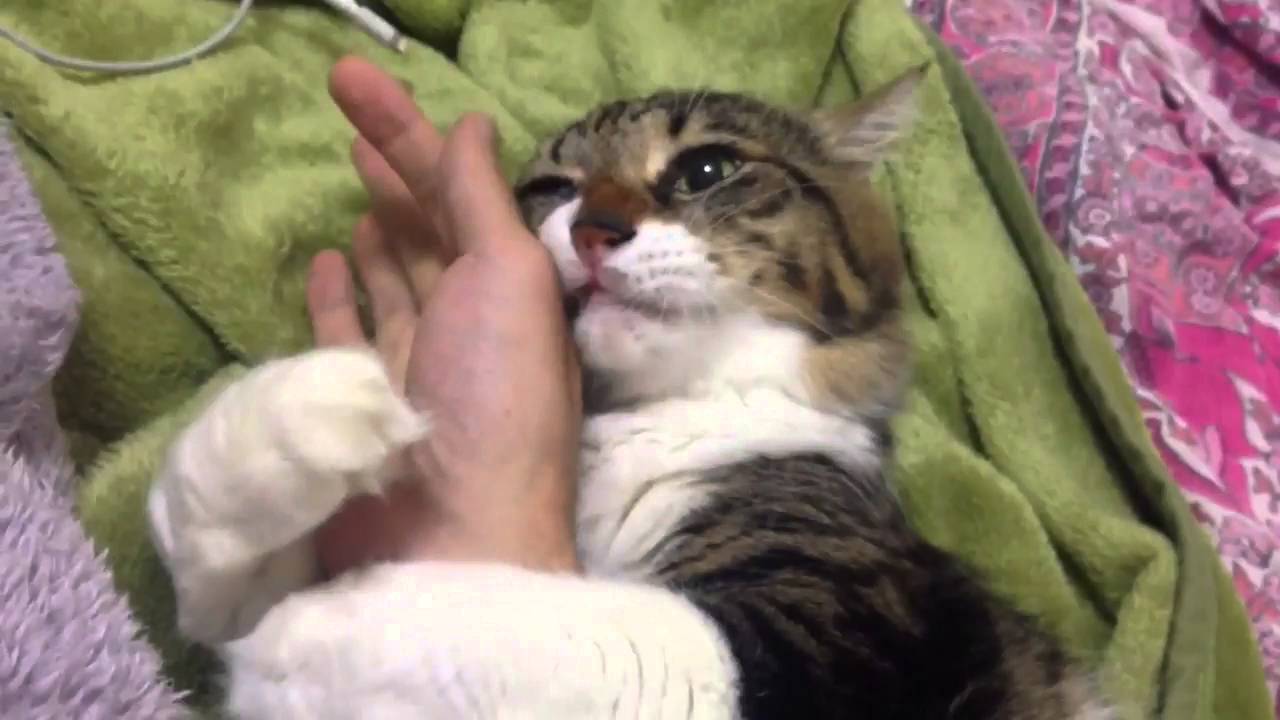
Cat Hugs Owner's Arm YouTube
Cats might be untrusting at times, but as their owner, you are a comforting.
Cat keeps trying to nurse on my arm. Lately he has been obsessed with trying to bite a certain spot on my right arm. Cats can have a strong desire for salt. Enrich his environment with plenty of toys and climbing trees for him to sit on and keep busy with.
Does anyone know why he would get my attention only to run? If your adult cat suckles like a kitten on your clothing or even on your arm, don't be alarmed. Maybe once a month he would go into psycho mode and attack, but it was usually just playfully or when he was really agitated about something else.
It can be bothersome enough when you are at home, but the meowing can become constant throughout the owner’s absence. And it gives them a feeling of safety and comfort. Your cat might reach for you with a paw, claws in or out, to indicate a desire for attention.
Make sure that the new. My little 11wk old girl kitten has been sucking my arm and sleeve for the past 10 minutes. As you can imagine, that takes a toll on your feline and sometimes they just want a good snuggle.
Most times this happens is because the kitten was weaned too young. You can separate them and allow the mother cats to bond with their litters. Well this is completely normal behavior for a non neutered male cat.
The more active he is, the less he'll want to nurse on inappropriate objects. This might be just a way of cuddling for your cat. Throughout their life, the average felines nurse on a wide range of objects as well as humans in their surroundings.
Most cat parents feel that it's fine to let kittens nurse on their feet, hand and other body parts but others have certain concerns. You may also want to engage his attention in some fun play and games to distract him from his desire to suckle and to keep him active. Griffin has a shaved belly, and locket will cuddle up to his tummy and actually start sucking and kneading griffin's tummy.
She's also kneading my arm with her paw. Move your arm so she can get away and let her be until she comes back around. Your kittens most likely nurse on your skin, whether your earlobes or elsewhere, because they are responding as if you are their mother.
Cat keeps trying to get my attention and then runs away. Never a biter or scratcher, just loves to cuddle. Your armpits probably smell and feel similar to your pet.
Another alternative is to get an interactive toy, like a puzzle treat toy or something that he can occupy himself with, and only give it to him when you are sleeping or doing something that doesn't include him. This makes it remember its mother, and how it used to feel cosy under her as cats often carry on many behaviours from their kittenhood into their adulthood. Locket is roughly 12 weeks old, and he is getting along great with my adult male cats.
The best solution would be to have the poor frustrated guy neutered. If this is the case, however, the sniffing would likely give way to nipping and trying to suckle or nurse from the armpit area. They are both still young, and they are likely doing this because they were taken from their cat mother too early.
Cats like their attention, but they also like their toys. Kneading, nibbling and gentle clawing should not be painful. In kittens that were taken from their cat mothers too early, this behavior is quite common.
The fact that he chooses you only is also not unusual, you must be his favorite. The severity of signs depends on the number of antibodies ingested and varies from kitten to kitten. He is trying to get your attention.
But when i would get up to give him some pets, he would run away and hide. He does this back to back, multiple times a day. The only other solution i can think of, is not to allow him to sleep with you.
She's buried her face into the crook of my arm, purring, and has been making loud sucking noises since she started. If abby hurts you or draws blood, she wants to be left alone. While cat suckling behavior is generally harmless, it can become annoying if it becomes compulsive and possibly dangerous if your cat ingests the fabrics she's sucking on.
It also concluded that most of these cats suckled throughout their lives, though some of the cats suckled less frequently as they aged. During your petting session while she's kneading your arm, if she starts getting aggravated, she'll let you know. Overall, nursing is a natural behavior in cats, especially kittens.
Doing this helps the cat feel more secure. I’m wfh, and my cat would frequently paw at my arm and meow when i’m at my desk. Your cat has been kneading since she was a kitten — in fact, she kneaded her mom’s belly to stimulate the flow of milk while she was nursing.
It has health benefits for him too. My cat is 18 years old. Leaving big wet marks around the button.
I had a grown cat that did this when she was on my lap or in my arms, and she would suckle on any buttons on my clothing. Or, maybe, they might purposely lie down in your way for attention. Even kittens that nurse for only a brief time may develop severe illness and die.
She never woke me in the night though. Slowly blinking his eyes at you. She could just really miss her mom, especially if the cat in question is a kitten or was separated from its mother too soon.
There are safe cat toys that will work. See here for more info. Because having your hands and arms suckled on isn’t the most ideal situation for you, gradually transfer the behavior on to a safe object that your cat can not ingest.
Some cats will suckle on fabrics and people out of a need for comfort or as a show of affection.