Four minutes later, cardiac arrest occurred. 2 the cat’s airway is small and delicate, and the larynx is susceptible to spasm when stimulated and.
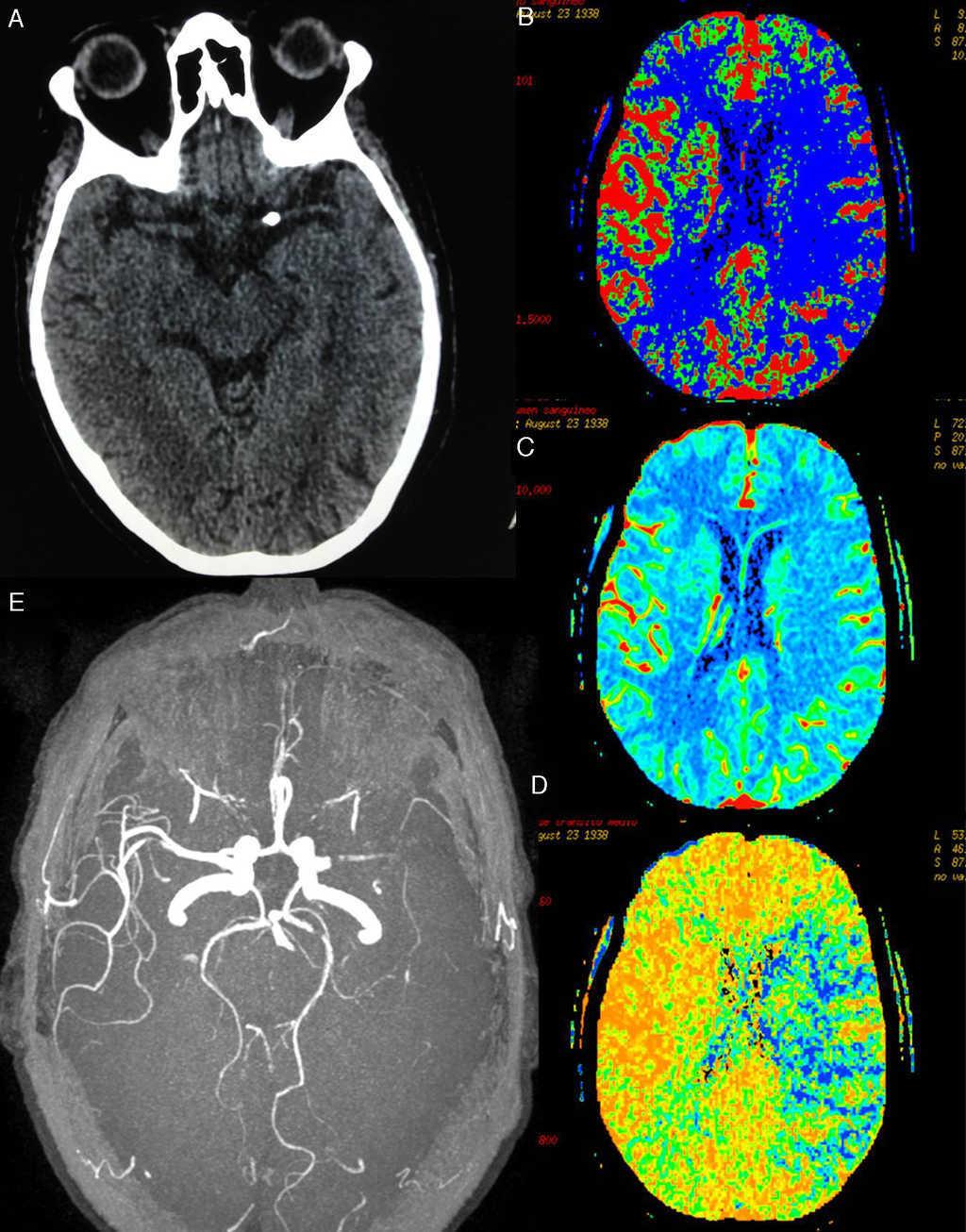
Mechanical thrombectomy during ischaemic stroke due to a
Hopefully as time goes on some of these ill effects will wear off, but if not, you will still love her, and she will adapt, just as all.
Cat brain damage anesthesia. Symptoms of moderate or severe brain damage these include: The cat may have seizures, some evidence of trauma to the head or other part of the body, bleeding into the eyes, or bleeding from the nose or ears. Your veterinarian will take every precaution to minimize these risks during your dog’s anesthesia.
Approximately one in 1,000 healthy cats and one in 2,000 healthy dogs die under anesthesia each year. General anesthesia is achieved by administering drugs that suppress your cat’s nerve response. This is the primary job of the anesthesiologist during surgery.
Here are some examples of anesthesia malpractice that can cause brain damage: However, the neuroprotective property of general anesthetics in brain injury is also increasingly recognized. I have heard stories of cats coming out of anesthesia either blind or deaf or both, but not with brain damage.
With general anesthesia, the patient is made unconscious for a short period. That difficulty, of course, is no reason to give up on them. Particular types of anesthesia malpractice that can lead to brain damage include:
As cats wake up from anesthesia, it's common for them to vomit. Inability to awake from sleep. During general anesthesia your cat is in an unconscious state, so he is unable to move and doesn’t feel any pain.
Heartwarming story of a survivor brain damaged cat. Kittens receive anesthesia when they are spayed or neutered, and most pets receive anesthesia at least once more during their lifetimes. Can anesthesia cause problems in dogs?
Anesthesia mistakes can result in brain damage blog,medical malpractice • april 15, 2020. Brain surgery is usually done to remove and/or biopsy brain tumors, relieve excessive pressure on the brain caused by fluid accumulation as in hydrocephalus and cerebral edema, and repair skull fractures that are. That is to say, one should bear in mind the “ying and yang” balance of general anesthetics in daily clinical practice.
Brain surgery carries a high risk for cats and other animals and often requires intensive monitoring during anesthesia, surgery and after surgery. Failure to monitor blood flow: 2,87 most anesthetic deaths occur soon after anesthesia ends (within the first 3 h) and are commonly caused by airway obstruction.
Abnormal dilation of the eyes. Why do dogs cry after anesthesia? Not adequately monitoring the patient’s blood flow to the brain.
It's hard to watch an innocent animal like that suffer when all you want is for them to be the happiest in the world. Other rare complications of anesthesia include organ system failure (such as kidney, liver or heart failure), visual impairment, clotting disorders and seizures. The whining is due to the anesthetic drugs given for surgery, these drugs can cause your dog/cat to be confused and disoriented (dysphoric).
Some of the most dangerous anesthesia errors include: During this unconscious state, there is muscular relaxation and a complete loss of pain sensation. Large doses of diazepam (20 mg) and pentazocine (30 mg) were administered for sedation five minutes after starting the operation.
When mistakes with anesthesia take place, the brain can suffer a permanent injury due to a lack of oxygen and other. During surgery, it is possible for patients to vomit and inhale the vomit in their lungs. Failure to notice when a patient has vomited during surgery.
A failure to monitor this blood flow can lead to stroke and brain damage. Having to undergo an invasive surgery can be terrifying enough without the extra concern of getting brain damage due to anesthesia errors. Some brain cells start dying within five minutes after the oxygen supply disappears, and brain hypoxia can rapidly cause severe brain damage or death.
Taking care of animals with health issues or behavior issues is always a challenge. Estimated incidence is lower than 1/15,000 for epidural and lower than 1/22,000 spinal anesthesia cases, but the risk may be higher with older age, vertebral column skeletal abnormalities, difficulty placing the needle, coagulopathy, and the presence of an indwelling epidural catheter during anticoagulation.14 the american society of regional anesthesia and pain medicine has. These reactions can result in swelling in your cat's body which could affect his ability to breathe.
Recent research on animals has also shown that anesthesia can induce brain changes like those thought to underlie dementia. The typical signs of brain injury in a cat include altered consciousness that may signal bleeding in the skull, decreased blood flow to the brain, or fluid causing swelling within the brain itself. The patient did not res.
Anesthesia is like any medical procedure—there are benefits and risks, and death can occur under anesthesia. When the significance of what had happened isn’t recognized, the vomit can lead to labored breathing and decreased. There are two main reasons why a patient may develop brain damage during an anaesthetic.
The word anesthesia comes from the greek word meaning lack of sensation. anesthesia is accomplished by administering drugs that depress nerve function. When a patient is under anesthesia, it is vital to monitor how much blood is flowing to the brain.

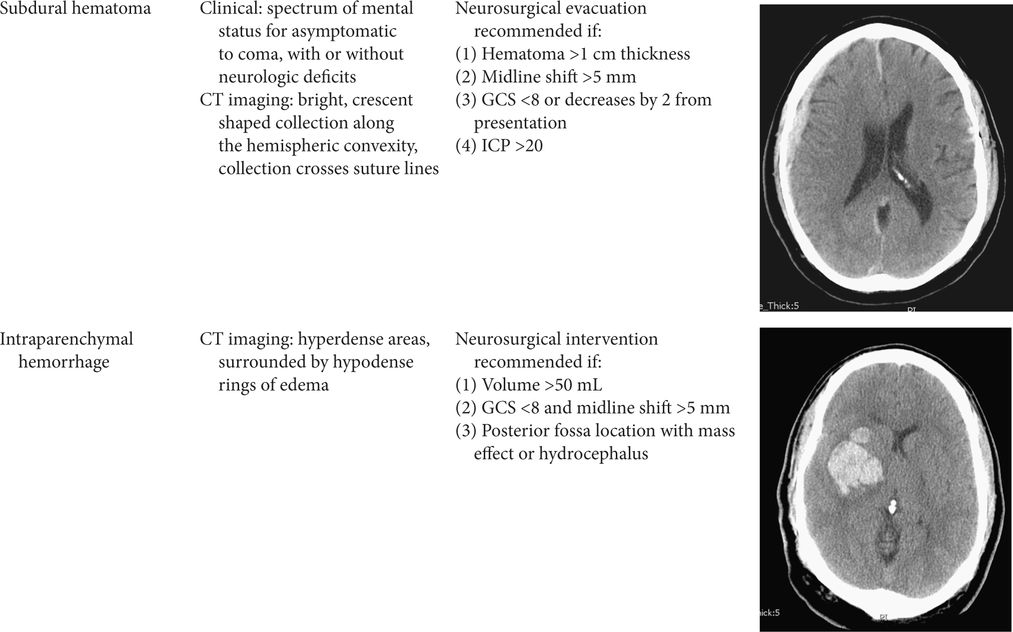
Cranial CT scan 30 days after spinal anesthesia showing

Cerebral Subdural Hematoma Following Spinal Anesthesia
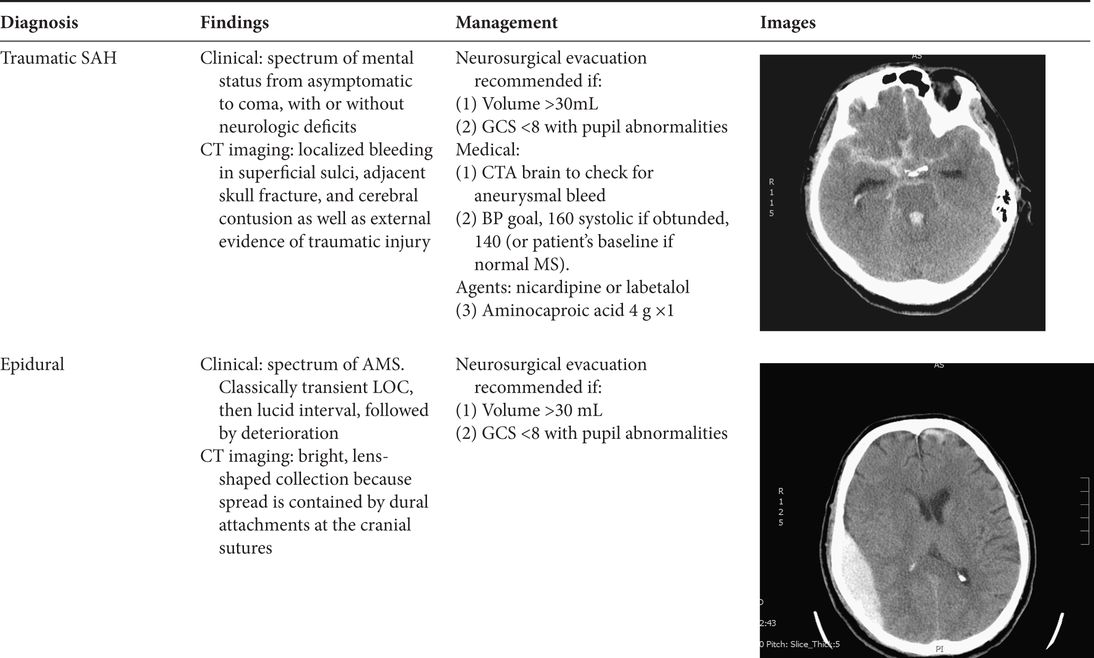
Severe traumatic brain injury Anesthesia Key
Severe traumatic brain injury Anesthesia Key

Three Simple Interventions Increase Survival After A