Read on for signs to help you determine whether or not your dog is suffering, and if so, what to do about it. Another common cause of muscle atrophy is degenerative myelopathy, which is a disease that will affect your dog’s spinal cord and limbs.

How to spot muscle atrophy in dogs
Muscle wasting is often a sign of another illness requiring veterinary diagnosis and treatment.

Muscle wasting in dogs. Muscle loss can be a sign of a wide variety of conditions and diseases, so if you do notice muscle loss, make sure to talk to your vet about the condition. Muscle atrophy means when the muscles of your dog's body weaken or waste away. Muscle wasting in dogs refers to the weakening or shrinkage that takes place in the muscle mass.
When atrophy results from an injury or surgery, it may be fairly obvious. Muscle atrophy in dogs is the loss or wasting of muscle tissue. It often occurs in the legs , particularly the hind legs, although it can show up in other areas of the body.
In chronic cases, signs include persistent loss of appetite, weight loss, difficulty opening the jaw, and wasting away of muscle. Muscle atrophy in dogs is the wasting or loss of the dog’s muscle tissue. Typically, this will be an injury of some kind which makes movement uncomfortable, which will eventually result in progressive muscle atrophy in the dog.
Muscular atrophy is a weakening or wasting away of muscle mass. The most common causes are injury, pain and immobility after surgery. In acute cases, muscles are swollen and the dog has difficulty opening the jaw.
Muscular atrophy has two main causes: However, perhaps the most common reason that dogs and cats may experience muscle wasting include aging, thyroid disease and disseminated aspergillosis. What can cause muscle wasting in dogs?
Muscle wasting in dogs is quite common to see. It is noticeable when parts of your dog’s body appear weaker and thinner than usual. Other causes are lime disease, myositis and degenerative myelopathy.
Muscle atrophy can occur for a number of reasons including age, disuse of the muscles, obesity, lack of nourishment, illnesses such as diabetes and cancer and also may occur following fractures or surgery. Failure to seek immediate treatment for muscle wasting can result in potential complications, such as decreased mobility, permanent loss of muscle strength, and paralysis. It can present in a number of ways and can be caused by ageing, illness or simply by reduced activity.
Muscle loss is just what it sounds like, the wasting away of muscle in your dog's body. It can be observed as a loss of muscle tone and is most obvious on the hind legs and hips of senior dogs. Some degree of muscular atrophy can be caused by changing the ability to process protein.
It often occurs in the legs, particularly the hind legs, although it can show up in other areas of the body. The wrong diet could be worsening your dog’s muscle atrophy. Larger breeds can be more likely to suffer as they can age faster than small breeds, and are more prone to conditions like arthritis, but muscle atrophy can affect any dog.
Older dogs can lose muscle mass when pain prevents activity. Muscular atrophy in dogs refers to the weakening or wear of their muscle mass. Muscular atrophy in dogs (the loss of muscle tissue) is quite common.
Muscle atrophy is when there is a loss of muscle mass. Atrophy of muscles in dogs is very common in aging dogs, dogs that are ill or dogs that cannot exercise properly. Blood tests, electromyography, and a muscle biopsy may.
This muscle wear is usually the result of an injury or illness. Generally, the hind legs, hips, face or neck will look noticeably thinner due to the loss. Muscle atrophy, or muscle loss, is the wasting away of your dog’s muscles.
It's caused by both, lack of activity and secondary disease. This muscle wear is usually the result of an injury or illness. Muscle atrophy is when there is a loss of muscle mass.
Mostly, it shows up in ways you'd think it would, such as your dog thinning out or showing signs of weakness. You might not notice it at first, especially if your dog has long hair. One of the major problems of using steroids such as prednisone is they cause muscle wasting and weakness when taken long term.
Limping will be more obvious if your dog recently underwent surgery. But it’s not the kind of weight gain you’ll want to see. Daily doses of prednisone, however, reduced klf15, leading to muscle wasting.
This shrinkage in the muscles is usually the result of an injury or an illness. Too many carbs can put weight on your dog, alright. When atrophy results from an injury or surgery, it may be fairly obvious.
Muscle atrophy in dogs is the wasting or loss of the dog’s muscle tissue. It usually affects a dog's back legs, but it can also occur in the head or the belly.sep 28, 2020 Atrophy of muscles in dogs is very common in aging dogs, dogs that are ill or dogs that cannot exercise properly.
Muscle atrophy is a type of muscle loss where your muscles start to waste away and, although muscle atrophy is actually quite common in animals and humans, it is still very important that this issue does not go ignored. An overweight dog with a high body fat percentage is susceptible to other health issues. It is noticeable when parts of your dog’s body appear weaker and thinner than usual.
In fact, muscle wasting in pets can be indicative of many different diseases and issues. Top best answers to the question «does prednisone cause muscle wasting in dogs» answered by garrick nitzsche on mon, apr 12, 2021 7:24 pm. It can be due to both lack of activity and other diseases.
It typically affects senior dogs, dogs that have injured themselves, dog’s that have a joint condition such as osteoarthritis, hip or elbow dysplasia, and dog’s that had surgery. Muscular atrophy in dogs (the loss of muscle tissue) is quite common.
dog muscle atrophy Dogs Health Problems

Muscle Atrophy in Dogs Signs, Causes, Prevention and
Spinal Muscular Atrophy (Motor Neuron Disease) in Dogs

My dog has muscle atrophy of her front shoulder. Are there
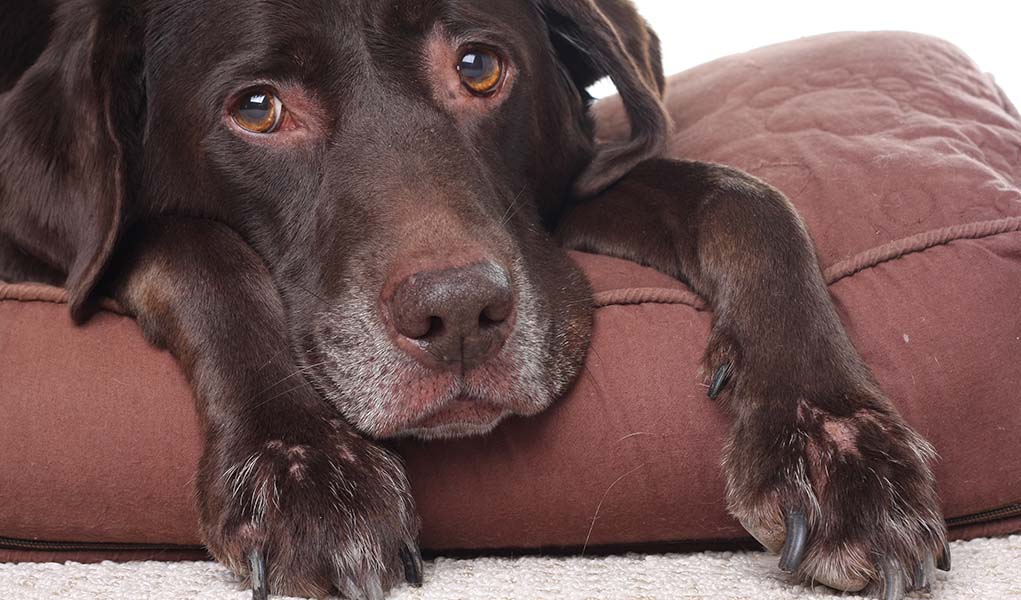
Muscle Atrophy in Dogs Proven Causes, Prevention and