Dip a cotton ball in the diluted solution and lightly wipe the affected area with it. Canine folliculitis is an infection of the hair follicles that usually occurs as a consequence of another skin disease.
A hair follicle mite (Demodex spp.) from a dog microscopy
Infundibular keratinizing acanthoma tumor develops in the upper part of the hair follicle and may be solitary or multiple.
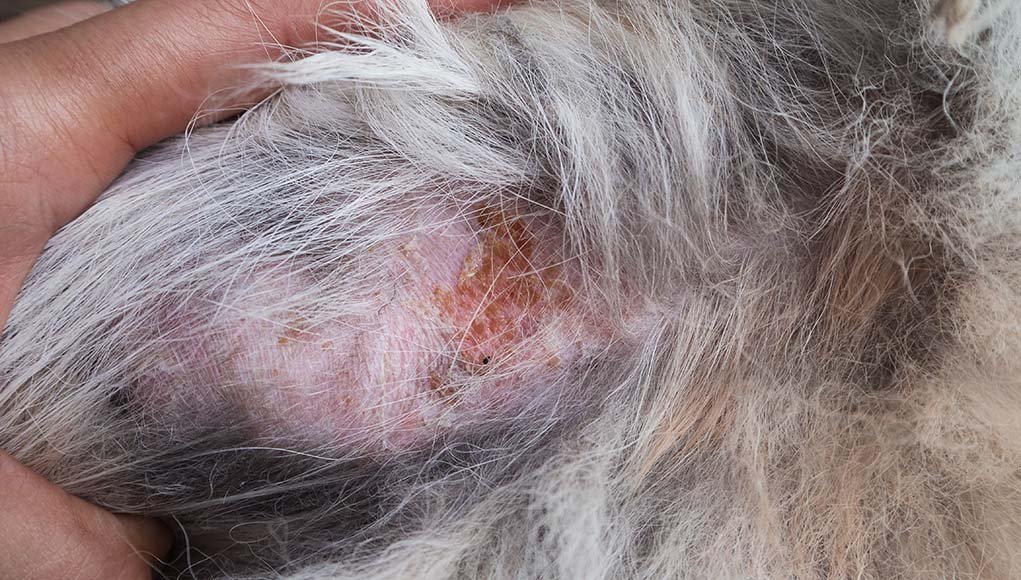
Infected dog hair follicles. Small lumps surrounding hair follicles may be the first sign of this problem. Clothes that rub against the skin or shaving can irritate the hair follicles leading to folliculitis. Infected ingrown hairs can lead to the following complications:
If your dog is licking or chewing at its. When a hair follicle is damaged, you are likely to get folliculitis. The procedure lasts from 30 minutes to three hours, depending on.
Folliculitis is inflammation in a dog’s hair follicles due to infection. This parasite is ubiquitous and normally lives on adult dogs in the hair follicle. Folliculitis is a disease condition characterized by the inflammation of hair follicles in the skin of a dog.
These are likely found on the back of the neck and trunk. Bacterial folliculitis, or simply folliculitis in dogs, is a hair follicle inflammation caused by either bacterial infection,. Hair follicle tumors should be immediately evaluated by a veterinarian.
The swelling of hair follicles is referred to as this condition. How do you treat an infected hair follicle on a dog? Early signs of potential infection to the hair follicles are red rashes and spots over the webbing on the dog's foot.
Folliculitis is a rare but severe skin disease in dogs. In this regard, the presence of an underlying skin disorder may play a major role in the development of folliculitis. Ingrown hairs are more commonly seen on your pet’s paws between their toes.
It appears on the body in sores, bumps and scabs over the skin. Ingrown hairs are a common problem for dogs. Many things can cause inflammation of the skin and hair follicles, but there a few very common culprits.
If your dog is scratching himself more than usual and you notice tiny scabs and bumps on his skin, he may have infected hair follicles, also known as folliculitis. The cysts will usually appear as large, red bumps, or nodules, filled with blood and/or pus. However, there may also be other rare but possible causes.
The various listed conditions below can be the reason for a dog’s folliculitis: The symptoms include itchy, white bumps filled with pus. The bacteria that infects the hair follicles of pets who suffer this condition typically resides on the surface of normal dog and cat skin.
The primary symptom of hair follicle tumors is the palpable tumor on the surface of a dog’s skin. There are chances that impacted hair follicle dog might have come in direct contact with the bacteria, and the other culprits behind the same are fungal infections, immune system disorders, parasitism, local trauma, or even sometimes endocrine issues. Tiktok video from biranda (@bgreattt):
Using apple cider vinegar on infected hair follicles can also help get rid of the infection. Folliculitis is a condition where hair follicles get infected, and it affects dogs as well as people. Common signs of infected hair follicles in dogs include red and swollen skin and.
What is folliculitis in dogs? There are several potential causes of folliculitis, and it may take some investigating before you find out what's affecting your dog. The cysts are most commonly found on the front paws.
The ectoparasite that causes demodectic mange (demodex canis) can cause folliculitis. Folliculitis means inflamed hair follicles and often occurs when your dog is experiencing another skin problem such as mange or an allergy, as the hair follicles become infected by the underlying skin condition. This infection of the hair follicles can be caused by yeast, bacteria, and mites.
Raw apple cider vinegar is too harsh for the skin, so dilute one part of the vinegar with 3 parts of water. They can be caused by many things, including overgrooming and licking at their paws. Irritation or blockage could also occur as a result of makeup, machine oils or sweat.
Tumors may ulcerate and ooze bloody fluid and are at a risk of becoming infected. An infected hair follicle can be caused by bacteria, yeast or other types of fungus. It is majorly caused by bacteria or fungi.
The dog will limp, especially when walking on uneven or rough surfaces. Hair follicles are tiny openings in the skin through which hair grows. Bacterial folliculitis (folliculitis barbae) these are caused by bacterial infection of the hair follicles, especially by staphylococcus aureus.
After 30 minutes, the ammonia and peroxide from hair dye go deeper into the hair structure and change its pigment. Bacterial folliculitis (otherwise known as pyoderma ) is the most common type of folliculitis. Pilomatricomas are rare skin tumors that develop from the hair matrix, where the cells which grow the hair follicles develop and are contained.
Folliculitis in dogs is an infection that can appear in animals of all ages, but is more common in puppies and immunosupressed dogs. This pup is sedated and doesn’t feel a thing 🐾 not that this is painful. Folliculitis is a term used to describe the inflammation of a hair follicle that is typically related to a bacterial infection.
This dermatological disease directly affects a dog’s hair follicle health. As such, bacterial folliculitis tends to occur when a healthy hair follicle is compromised, either by an underlying systemic disease, local trauma, or a specific disorder of the skin. One or more of the follicles gets irritated or infected, causing the area to become red and swollen.
Follow the instructions on the box. The major types and causes include: They can also show up after clipping or grooming.

Skin canine 'acne' in dogs Vetlexicon Canis from

9 Causes of Folliculitis in Dogs and How to Treat Them
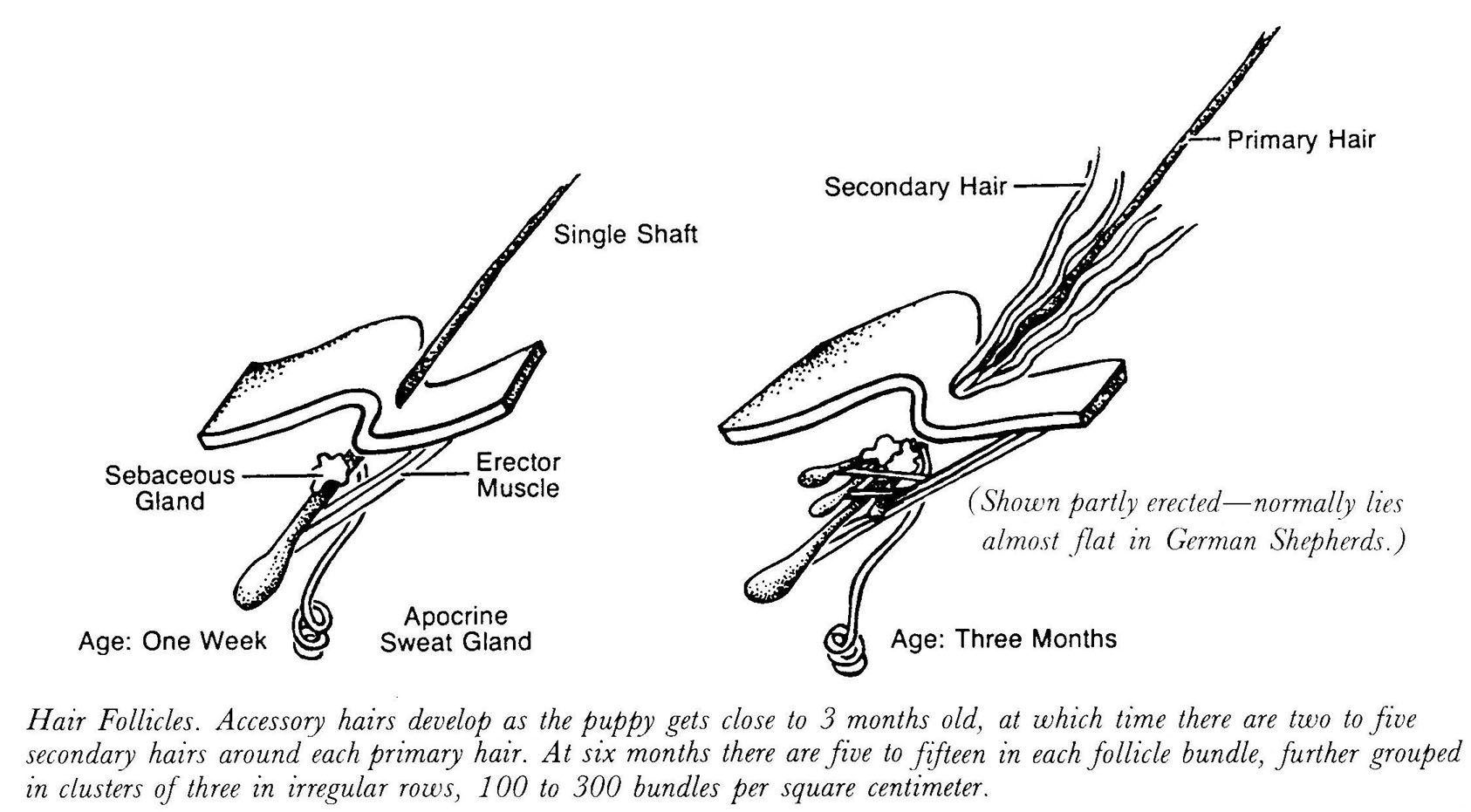
DogHairFollicleTypes[1] Ruby Cavalier King Charles

Shelter Pets Rule Hair follicle cyst out of control.

Ask the Vet Hair Follicle Infection in Dogs Dogs Health