Females, however, can also shed during or after their season, or during or after a pregnancy. But excess shedding can be a sign of disease or illness that requires veterinary care.
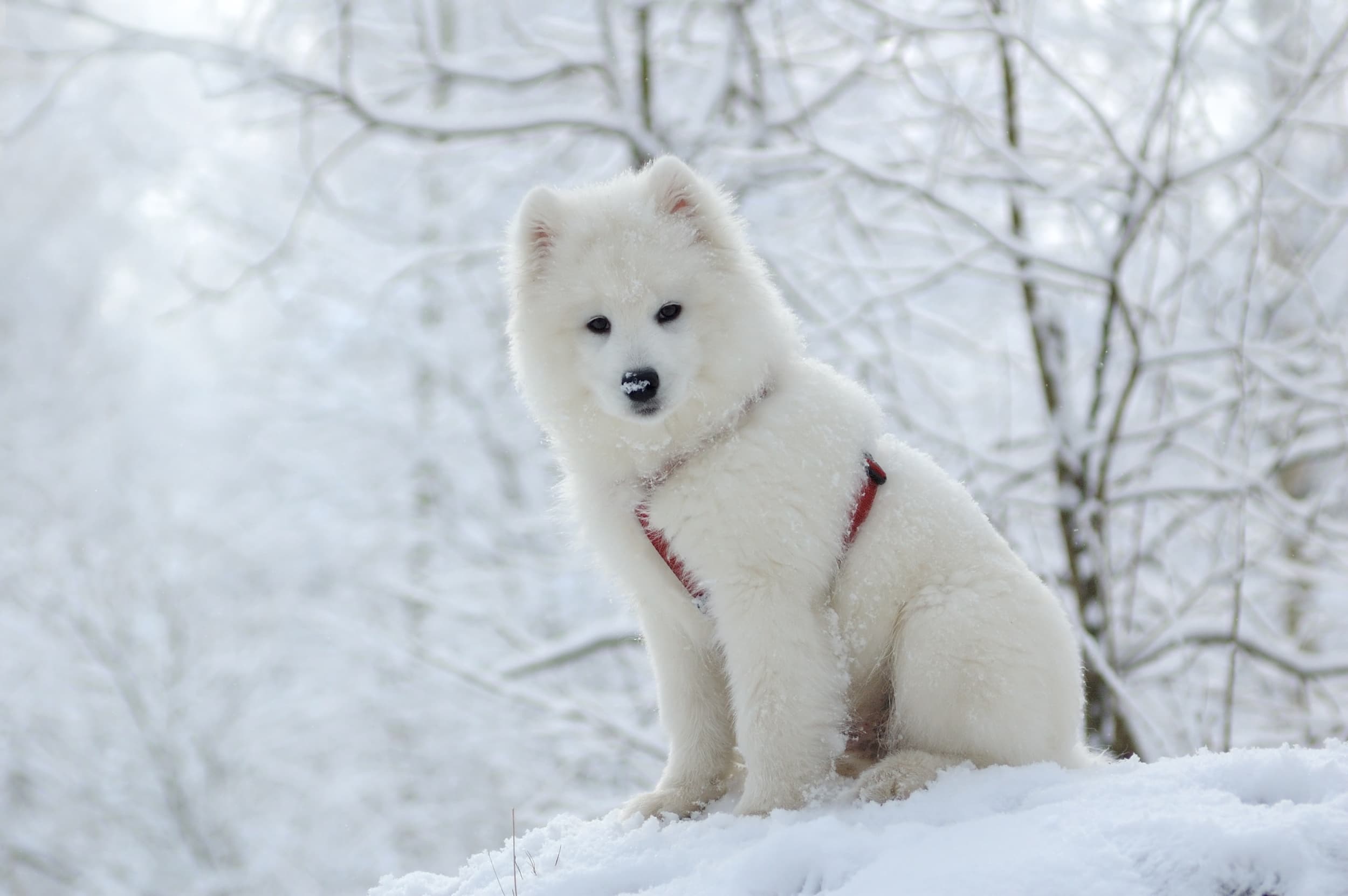
Why Does My Dog Shed So Much in Winter? TheGoodyPet
For example, some dogs grow thicker coats in the winter in an effort.
Why is my dog shedding before winter. When dogs have both a top coat and an undercoat, they are considered double coated. Your veterinarian can best determine if your dog's hair loss is part of the normal shedding process or is a symptom of an underlying disorder. Natural shedding occurs in dogs for a few different reasons.
Most dogs grow a heavier coat during the winter as it helps protect them from the colder temperatures and unpleasant weather. Many dogs develop thick coats in the colder months of winter that are then shed as temperatures rise in the spring. Historically, it was much more obvious and there was a greater need for a ‘winter coat’, especially for working dogs that were bred for specific duties.
Heat and light aren’t the only factors controlling a dog’s shedding. As the days get shorter, many dogs and cats shed their summer coats so a heavier, thicker, protective coat can grow in for the winter. Because seasonal shedding is a response to environmental conditions, an unusually long and cold winter might lead to your dog retaining his coat for longer than normal, especially if he spends a lot of time outside.
Dogs often shed according to season, too. What seems like excessive shedding can be normal for some dogs, but it can also be the result of stress, poor nutrition or a medical problem. Become familiar with your pet's normal pattern of shedding, and ask your veterinarian for advice if coat condition seems to dull or excessive hair loss or patches of baldness are noticed.
Most dogs shed at some point in the year as a way of getting rid of old or damaged fur, but how much they shed or how often depends on a number of other factors as well, like their coat layers, length and texture. Sometimes, seemingly extreme dog hair loss is just normal shedding. If your old dog is shedding a lot and the cause of hair loss is normal seasonal shedding, daily brushing and monthly bathing with a moisturizing shampoo can help cut down on the amount of hair trapped in the coat, and remove shed hair before it ends up all over your house.
Single coated dogs don’t shed seasonally and are considered more hypoallergenic, but they still shed! Dogs with only a top coat are single coat. For most dogs, shedding is an essential part of their skin and fur health.
Why is my dog losing so much hair in winter, seasonal flank alopecia is a skin condition of dogs that typically occurs during the winter months. The amount and frequency of shedding will depend on several factors, including: Most breeds who shed do so in the spring and fall.
Skin problems like mange, mites, dermatitis, ringworm, and bacterial or fungal infections can cause hair loss. When a dog’s hair stops growing, they will naturally lose it by shedding. Though the coat that is shedding is the lighter summer coat, it can still be surprising to pet owners that their pet is shedding so much just before the winter.
That’s why it’s important to determine the normal shedding pattern of your dog or cat and monitor it for changes. Cold spells , followed by sudden and extreme warmth can also cause higher than average shedding, as well as long bouts of heat , especially for dogs with thick undercoats. A dog’s fur helps control their body temperature and protects their skin against the sun and other environmental elements.
Reasons why dogs shed their coats. Skin allergies and skin parasites may trigger shedding, and poor nutrition can also be a cause of coat problems. This process is sometimes called blowing coat. when the
Moderate shedding as the coat is thicker. Dogs are always on some sort of seasonal cycle, changing their behaviours in line with the seasons and changes to the weather and daylight hours. If in doubt about this or any other aspect of dog grooming, consult your vet or a professional dog groomer.
In the spring sunlight, warmer weather and longer days trigger a dog’s follicles to release the winter coat. Why is my dog shedding or moulting? Seasonal shedding occurs as a result of temperature change.
Health plays a significant role, too. Why is my dog shedding so much all of a sudden? Conversely, when the days become long and warmer, your dog will shed this thick winter coat in favor of a lighter, thinner coat.
Excessive shedding can be because of health issues in dogs such as ringworm, skin problems, mange or cancer. Most dogs, even hardy working breeds. As you can see in the table above, you should expect the most shedding from your dog around springtime.
Interestingly, pregnancy can cause shedding because of a loss of calcium and other nutrients that support a healthy coat. If he has a single coat, he'll have only the outer coat without the insulating undercoat. Why is my dog shedding in winter?
Stress, anxiety, and various health conditions can cause shedding. Dogs rid themselves of old or otherwise damaged hair by shedding it. This is simply because the fur from the winter coat is thick and furry and now it’s time to.
Why is my dog shedding in winter? Typically, these changes take place at some point late in the fall and spring, although indoor dogs may experience the changes in climate in a slightly different way. Some breeds of dogs and cats naturally shed more than others, especially during seasonal changes when they are exposed to less light.
There's no way to stop the moulting process. The amount of fur a dog sheds depends on the breed of dog, the time of year, and whether they have a single or double layer of fur.

Why Is My Dog Shedding So Much In The Winter TLDR; Dog

Dog Shedding Seasons Dog Shedding Hair in Winter UK Pets

14 Things You Need To Know Before You Get A Husky

Why Dogs Shed More In Winter and Way to Reduce

Find out why your dog is shedding. dogsfunnyhair Dog