The easiest way to see this difference is in the differing species names. Dogs and wolves have similar life expectancies, 7 to 20 years for the dog, and about 7 years in the wild or 15 years in captivity for the wolf.

What’s the difference between your dog and a wolf? The
Genetic drift studies and dna sequencing confirm that.

Dogs and wolves similarities. Dogs and wolves have many outward similarities. Typically the skin of a dog is quite thicker than that of a wolf. In fact the two species share 98.8% of the same dna.
They share an impeccable sense of smell. Dogs and wolves are so closely related that dna analysis cannot distinguish a wolf from a dog or a wolfdog hybrid. Recorded in 1829 by sir john richardson, that the similarities between wolves and domestic dogs in north america of the indians is so great that the size and strength of the wolf seems to be the only difference. some peoplesaid that the fact that the dogs bark, while wild wolves howl is only to demonstrate that they are not related.
Dogs also have proportionally smaller teeth and they require a lower calorie count to function then wolves do. The gray wolf, or simply the wolf is the largest wild member of the canidae family. Some wolves and dogs will kill each other, others will raise puppies together, or play.
Not only are dogs and wolves similar in appearance, (except when it comes to creatures like shiz tsus) but dogs and wolves exhibit similar social behavior. Dog and wolf belong to the same order. They can even interbreed (although their offspring are typically not fertile).
In fact, they share 98.8% of their dna and can interbreed if allowed. Similarities between dogs and wolves. Wolves only breed once a year, where domestic dogs can breed up to two times in a single year.
For one thing, dogs and wolves are the same species, meaning that a dog and a wolf can produce offspring capable of reproducing. They have a common ancestor. Similarities between dog and wolf.
Dogs and wolves are actually the same species. The indigenous dogs of all regions approximate closely in size, color, form, and behavior to the native wolf of those areas. They can potentially breed with each other as well, that’s how similar dogs and wolves are!
Indeed, dogs and wolves are carnivores, although dogs are more omnivore than carnivore because of a genetic change in dogs that allowed them to process starches better. How similar are dogs and wolves? They both belong to the same order.
While many factors of the evolution of dogs are still being studied, it is now known that domestic dogs were developed from an ancient, ancestral wolf species rather than from the gray wolf, that clear morphological differences between wolves and domestic dogs can be found, such as the difference in the shape of the skull, and that the ability to digest starch not only varies between. Compared with a wolf of the same size, dogs usually have 20% smaller skulls and a 30% smaller brain. Dogs (canis lupus familiaris) and wolves (canis lupus) are remarkably genetically similar.
There are some differences in how dogs and wolves communicate, but there are more similarities. Their physical appearance is similar but their instincts, disposition and temperament are widely different. There are many similarities between dogs and wolves.
The dog is the domesticated form of the gray wolf. Similarities between dogs and wolves after all, the two species descend from a common ancestor. Rather dogs and wolves are cousins, similar in many ways to the relationship between you and a chimpanzee, joe.
Some species of dog have dropped or hanging ears while wolves have erect ears at the adult stage. Wolves and dogs use similar communication. Dogs and wolves share the same scientific genus name, canis, but not the species name.
Both howl—although dogs may yip more while doing so—and both bark —though wolves only. Similarities between wolves and dogs. Through dna analysis, scientists have established that the wolf is the ancestor of the dog.
Like we have mentioned before, the modern dogs we know today come from wolves, and all dogs share an ancestor in the wolf, even though they look very different. Traits and characteristics dogs have in common with wolves. A dog and wolf really are very similar.
How are dogs and wolves alike? In fact the two species share 98.8% of the same dna. Both wolves and dogs have the same number of teeth, but they, along with the skull and jaw, are larger and stronger in the wolf….
Even though there are obvious physical differences between some breeds of dogs, such as the french bulldog, and wolves, there are many. They can even interbreed (although their offspring are typically not fertile). Despite similarity, here are the differences:
Dogs are canis familiaris, while wolves are canis lupus. Physical differences between dogs and wolves. In fact, one study found that wolves and dogs generally exhibited the same submissive behaviors for the same comparable reasons.
Are wolves and dogs the same species? After all, the two species descend from a common ancestor. Dogs and wolves have very similar biology and social behavior.
Of this most significant case there are far too many instances to allow of its being looked upon as a mere happenstance. They both display similar body language. Yes, joe, dogs and wolves are closely related.
Wolves move their legs differently while running, the highly stuctured social system in which the wolves live is nothing like that of a dog. However, today’s wolf is not actually your dog’s ancestor. Is it just a simple step for them to revert back to their ancestral origins or are their differences actually more than skin deep?
However, despite some commonalities, dogs and wolves are very different.
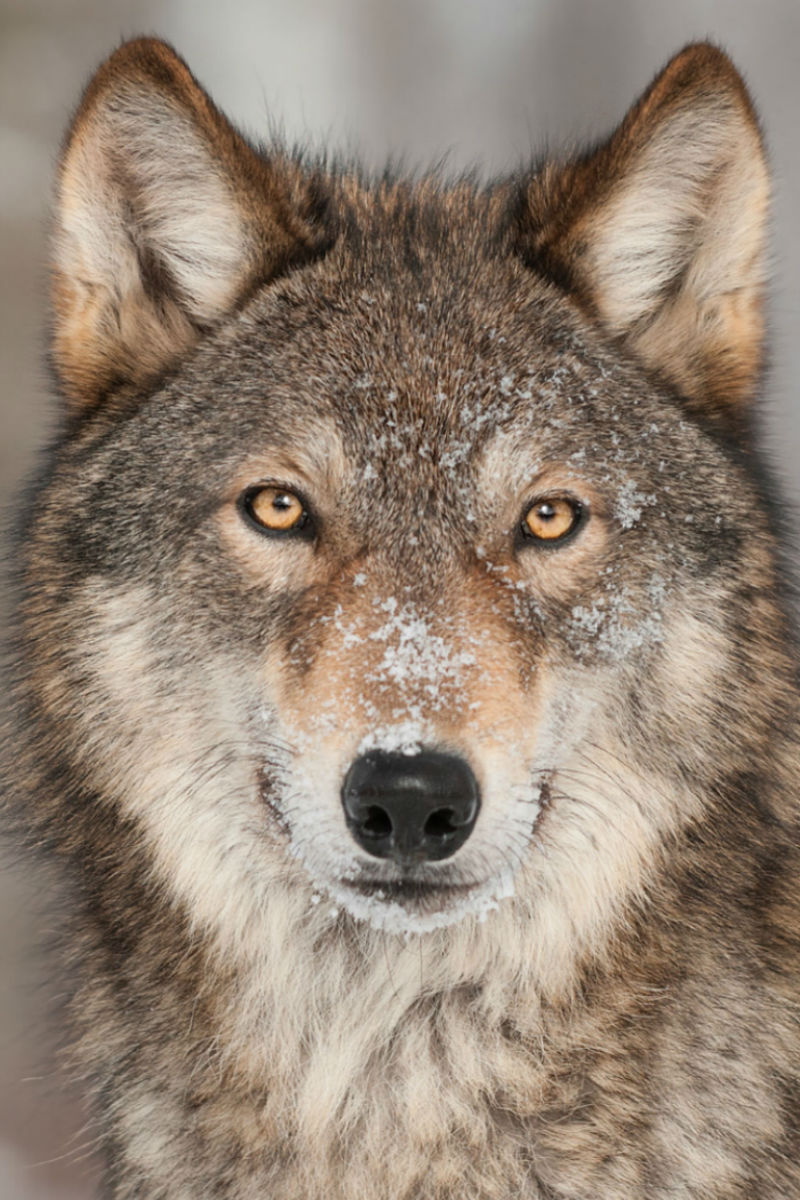
Wolf vs Dog Are wolves and dogs similar and can they breed?
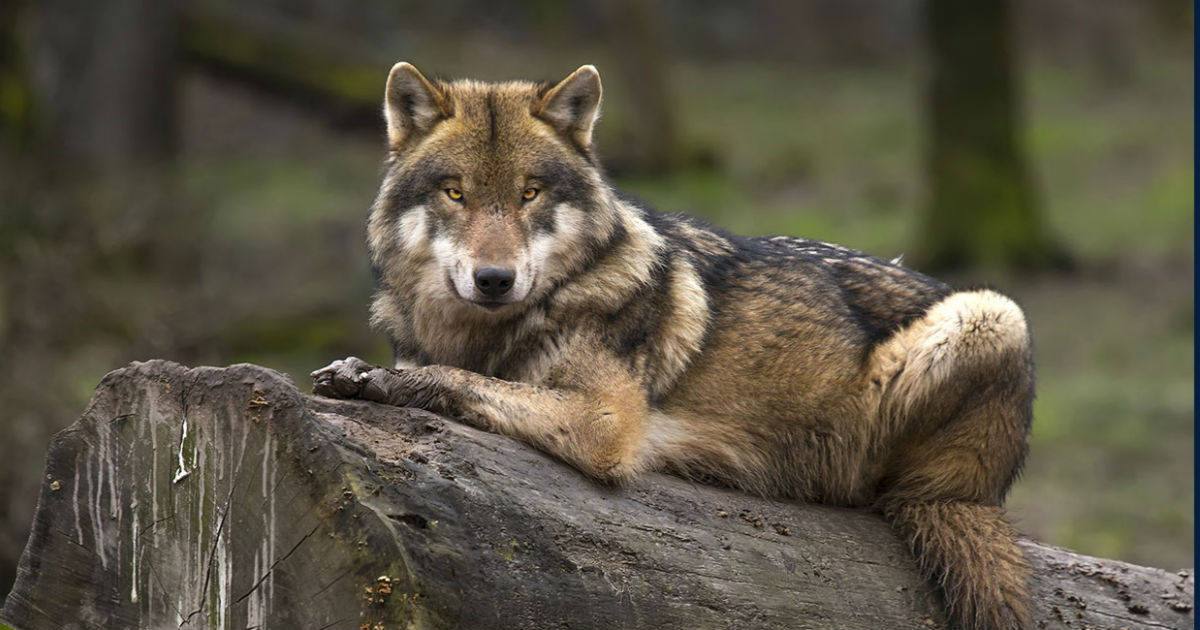
Wolf vs Dog Are wolves and dogs similar and can they breed?

Will We Ever Know the Difference Between a Wolf and a Dog

Wolf vs Husky know the difference, don't be fooled

13 Dogs That Look Like Wolves Wolf Content Explained