There are few medical conditions, if any, that only affect dogs' whiskers. In this case, fur is naturally bleached by contact with the sun and may appear white or gray.
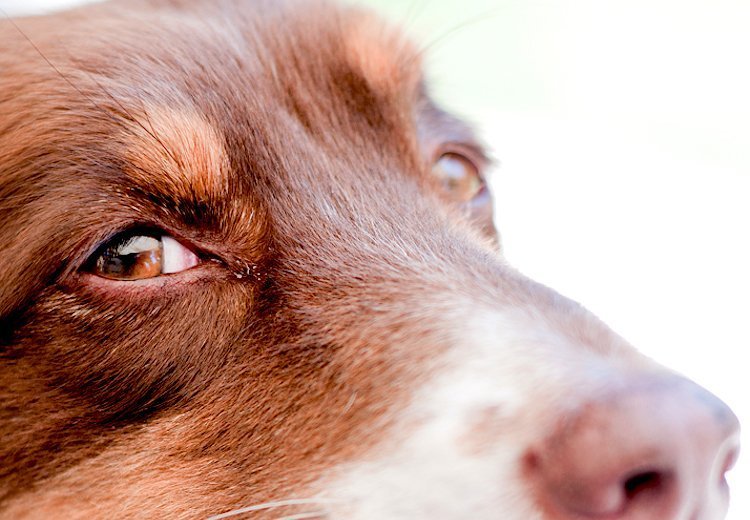
Why Your Dog Has Mucus in the Eyes (And When to See the
So, lori, we don’t think you have to worry about your cat’s occasional white hairs.

Why is my dogs whiskers getting white. But that brilliance fades with the appearance of rusty brown stains. Dogs have a set of stiff hairs protruding from the sides of their muzzles that are popularly called “whiskers.”. Amazingly, whiskers are also used to communicate with dogs, particularly during communication between dog and dog.
White dog poo signals a problem. People often have a wealth of questions about these whiskers and why they fall out, so today here at leesville animal hospital, we are going to take a look at the topic! Dogs that have reached their senior years may benefit from switching to a senior dog food.
Our dog friend salem lived to be 15, and by the time she died, the black fur on her head and neck had gone almost completely white. Dogs’ muzzles and heads start getting gray as they get older, too. Tiny white spot on a dog’s nose can appear at any time.
If left too long, these stains can ruin your pooch's otherwise pristine coat. Reflexively, dogs will raise their whiskers when they feel threatened or stressed. Generally speaking, dogs will reach their golden senior years around 7 years old.
Certain breeds have a higher genetic predisposition to pimples than others. If you see dog whiskers turning white much earlier than expected, the cause of it could be unrelated to age. Alopecia areata is a condition that causes dogs to lose hair and whiskers from their face, head, or ears.
As a dog owner, you may, once in a while, find one of the longer and thicker whiskers from your dog’s face on the floor. It's also a lot easier to notice a gray muzzle on a dog with darker hair than say a west highland white terrier. When the whiskers are touched, it sends a signal to the neurons that serve as a warning device that something is near the dog’s face.
It is possible that the melanocytes for that particular hair follicle are inactive or turned off for some reason, or there is a possibility that there are just no melanocytes in that hair follicle, therefore the hair can’t express the color the rest of the hair follicles exhibit, resulting in. She’s now 11 and not much greyer than she was then. Maintain her annual exam and get her blood tested each year as a preventive screening.
This can also be seen when the dog’s body language is serious, such as teeth showing, growling and a “whale eye” or hard stare. Regardless, it is typically something that is not concerning. Genetics plays a large roll in the graying process of your dog as certain breeds or lineages have a predisposition for graying earlier than others.
These dirty spots appear for a number of reasons, and can be eliminated with regular cleaning and. Most frequently, their muzzles are the first to turn white. Alopecia areata may resolve spontaneously in mild cases or can be treated with drugs such as cyclosporine in more severe cases.
Some animals can develop white hair or whiskers prematurely at a younger age even. But it can happen virtually anywhere on your dog’s body: My dog is a black labrador cross (part collie and maybe a bit of greyhound) but she was a bit grey around the muzzle from as young as about 3 or 4.
Meanwhile, dogs may also acquire gray patches through other environmental factors. This is because they spend a certain amount of their time rubbing their noses in and around their kennel or crate. Between their toes, ears or small flecks throughout their coat.
Let’s begin by giving these “whiskers” their proper name. A dog's hair may turn white because of an underlying illness or stress or as a natural part of getting older. White dog breeds, such as the maltese and bichon frise, look brilliant when their coats are pristine.
Plus, whiskers can prevent your dog being poked in the eye by branches or twigs when out walking, as the little hairs can sense where things are. That is, of course, assuming you address the underlying cause of why your dog lost them. Whiskers allow dogs to show emotion.
These are not at all like the nonfunctional. Dogs can also lose hair on their legs and trunk in more severe, generalized cases. That's not to say it's a pleasant process, only that the loss is temporary.
If you crate your dog for extended periods, they may develop a raw spot on their nose that appears as a white bump or mark. Aug 29, 2021 | 2 minutes. Her actual whiskers (the sensory kind) are still black.
One problem that dogs are prone to, particularly those with light fur, is the brown discoloration that can form around the dog's mouth. Any pet owner knows that keeping your animal's fur clean can be a chore. White poop in dogs can indicate a dietary problem or imbalance, a medication side effect, internal illnesses, or a parasitic infection.
Doberman pinschers, great danes, boxers, english bulldogs, german shorthaired pointers, mastiffs, and rottweilers are more likely to be afflicted with canine acne. It’s par for the course for animals and humans to go a bit gray as they. However, whatever the cause of canine acne, one thing is clear:
Like humans, dogs' hair normally turns white or gray when they reach a certain age. I’ve even seen it begin on the eye brows! There are several reasons a dog’s poop might be white, but white poop is never normal.
In most cases, whiskers grow back on their own. Below are some of the common reasons why a dog’s poop might be white: Dog whiskers around the eyes also offer protection because when their whiskers touch anything, it usually causes them to blink, which avoids harmful things like dirt getting in their eyes.
Why Is Dog Poop Not White Anymore DogsQuery

Why Do Dogs Have Whiskers? 3 Things You Didn't Know
:max_bytes(150000):strip_icc()/whiskers-d35a8503a0fe4f8e9091e353cb7cc73e.png)
Why Do Dogs Have Whiskers?

Is this a pimple? German Shepherd Dog Forums

Why Is My Dog’s Poop White? Things to consider before it