Here is what we’ll cover: The concentration of the viral particles;
How Long Does Dog Parvo Last in Your Home or Yard
The parvo virus can live nine months to a year in favorable conditions such as dirt, concrete, and soil.
How long can parvo live in your yard. The canine parvovirus can last in soil several months and even a year or years when conditions are favorable for the virus to survive. In most cases, that contact time is between 5 and 10 minutes and varies product to product. Use a cleaner proven to kill parvovirus.
Cpv, a highly resistant virus, can survive outside the body for up six months. So if you are disinfecting your home and yard, don't forget to also disinfect the garage and entryways! How long can the parvovirus live in a yard?
Follow the advice in this article and eliminate any. How lengthy can the parvo virus stay in a yard? The virus is also resilient and can survive in your yard for months.
Parvo can live in yards in the environment for six months to one year, and it is very contagious. Parvo can live up to 9 months to a year in a yard if you do not spray your yard specifically for parvo. Just by walking on sidewalks or through dog parks, or even down the beach, anyone in your household can bring the virus into your yard even if no other dogs have been there.
This is why it is so important to clean up your yard. Parvo (specifically canine parvovirus 2 or cpv2) can live in feces and a yard for approximately one year. Upon contracting parvo, and even before showing symptoms, infected puppies start shedding enormous amounts of virulent particles in their feces and continue to shed them for about 10 days after recovery.
There are several disinfectants that you can use as explained above. The 4 main challenges of trying to kill parvo in a yard. Outdoors, the parvovirus can survive for months, and even years, if protected from direct sunlight.
Can parvo virus live in the ground? Yes, you can use various techniques to test parvo in your yard. Therefore, if your dog shows no symptoms but still has serum antibodies against parvovirus, that means he has been previously infected and is.
Parvo is hearty and can survive snow, ice and extreme heat. How long does parvo live in your yard? When outdoors, the parvovirus will be able to survive for anywhere between months and years if it is protected from direct sunlight.
Lifespan of parvo on soil varies and 2 factors that contribute to how long parvo can stay in soil are: It spreads through infected feces and can remain contagious on surfaces like runs and cages. So, can you test your yard for parvo?
According to utah veterinary clinics, parvo can live in the environment for six months to one year. How long does parvo live in the yard? Cpv is a really hardy virus , and is ready to survive outdoors of the physique for as much as 6 months.
Not only does the virus survive in adverse climate conditions, it's also quite long living. The time frame seems to depend on several factors. Thankfully, parvo is something that can be treated in your yard, and we are going to tell you exactly how you can do this below.
Canine parvovirus , or cpv, can live for months on surfaces and up to a year in ground soil. It can live up to six months in fabric and carpets. According to the american veterinary medical association “parvo can survive in the environment for long periods of time, greater than or equal to 1 year in soil,” therefore, 2 years should be ok, but, parvo can be caught in so many other ways, think fomites like tires, shoes etc.
It’s unfold by means of contaminated feces, and can keep contagious on surfaces comparable to cages, runs, and particularly pure areas comparable to grass yards , gravel or mulch. How to get rid of parvo in your yard. So now you have the basic idea, let’s begin disinfecting your home.
The signs and symptoms of parvo involve loss of appetite, diarrhea, severe vomiting, and fever. The only way that you can kill it is to use a bleach mixture in. As a child on the ranch, i picked up all the dog poop.
Recovery times vary depending on the severity of the case, but it usually takes approximately one week for puppies to. How long can the parvovirus live in a yard? How on earth do we achieve any level of “disinfection” on organic surfaces that are not hard and solid.
Disposal of bedding, bowls, and crates, as well as removing feces immediately from the yard and environment will help to keep the virus contained and limit the spread. What kills parvo on hard surfaces inside your home & outside in your yard? Outside of your dog, the virus can survive indoors for at least one month, and outdoors it can survive for many months and even a year under the right conditions.
Soak your dog's dishes and toys in bleach water for 10 minutes. According to utah veterinary clinics, parvo can live in the environment for six months to one year. A hardy virus according to utah veterinary clinics, parvo can live in the environment for six months to one year.
We live on a rural ranch and have had not had any cases of parvo on this ranch. You have to get it out of your yard for the sake of your furry friend. However, when a dog has these symptoms, it can be challenging to tell whether it has parvo or other diseases.
Talk to your vet about the best way to remove the parvovirus from your home environment or kennels. Use a spray bottle to dispense the solution over all parts of the yard including grass, dirt and cemented areas. Also to know is, how long does parvo last in the yard?
That’s what we’re diving into today. To kill parvo in your yard, add 1/2 cup of bleach to 1 gallon of water. We often disinfected the kennel with bleach and water.

Dog After Parvo Treatment

How to treat yard for parvo
Don't Let Your Puppies Get Parvo! I Vetsavers Pet Hospital®
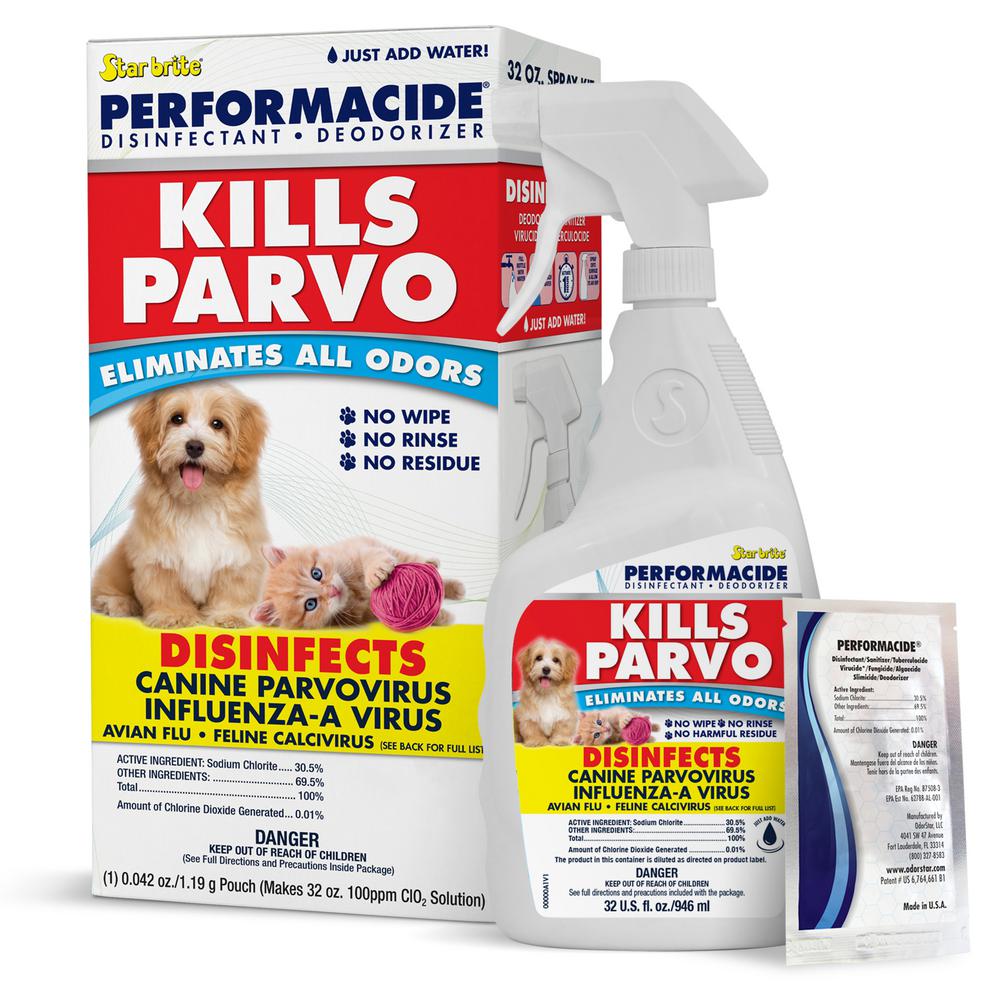
How To Disinfect Carpet After Parvo Review Home Decor
How To Clean Your Backyard From Parvo tecnicoquimicabecker